Secure payment: All donations are secured by SSL encryption and protected by reCaptcha.
Afghanistan remains one of the world’s largest humanitarian crises in 2026.
After decades of conflict, economic fragility, and chronic underinvestment in basic services, millions of families are living with diminished resilience and little ability to recover from new shocks. Today, overlapping crises continue to deepen suffering across the country.
In 2026, an estimated 21.9 million people — nearly 45% of the population — require humanitarian assistance. Worsening food insecurity, climate change-driven drought, recurrent natural disasters, large-scale cross-border returns, and the systematic exclusion of women and girls from public life have compounded already fragile conditions.
21.9M+
people require humanitarian
assistance.
3.7M+
children under five are projected to suffer from acute malnutrition
The Need for Aid
Thousands of families have been impacted, with entire communities in eastern Afghanistan left without basic necessities.
Homes have been reduced to rubble, roads cut off by landslides, and access to essentials like food, clean water, and healthcare remains severely limited.
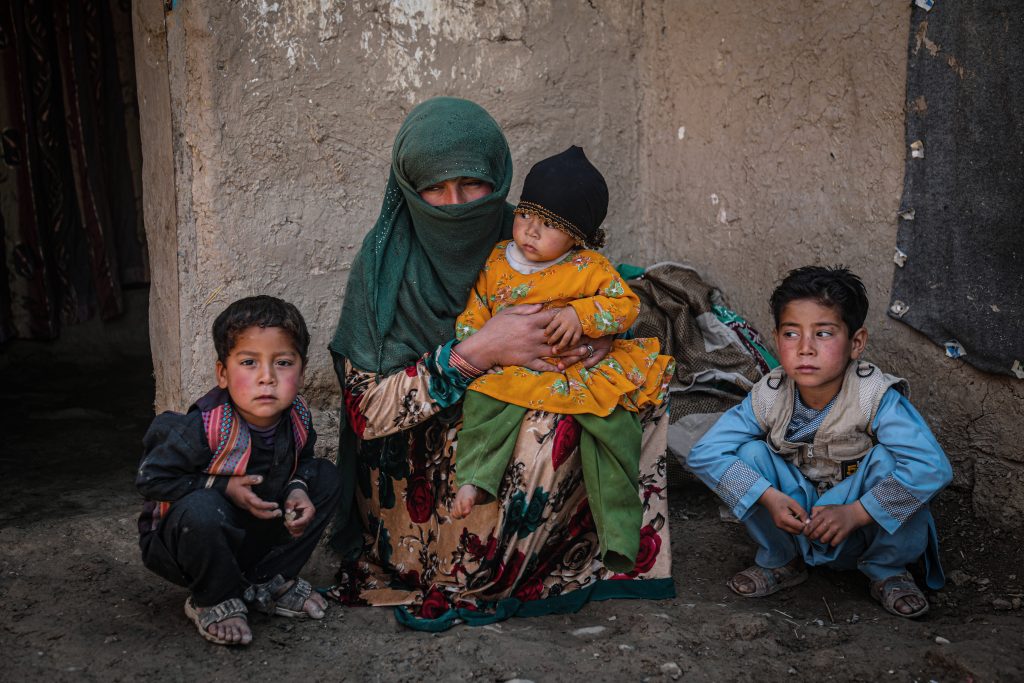
Women-headed households, children, the elderly, and people with disabilities are among the most vulnerable — facing heightened risks in the aftermath of the earthquake.
The most urgent needs on the ground include:
Food packages for families in the worst-hit areas
Medical supplies for the injured and those with chronic conditions
Tents and other blankets for displaced households
Hygiene kits to prevent disease and promote dignity in crisis

1984
Started Work in AFGHANISTAN
35,347
PEOPLE RECEIVED SUPPORT