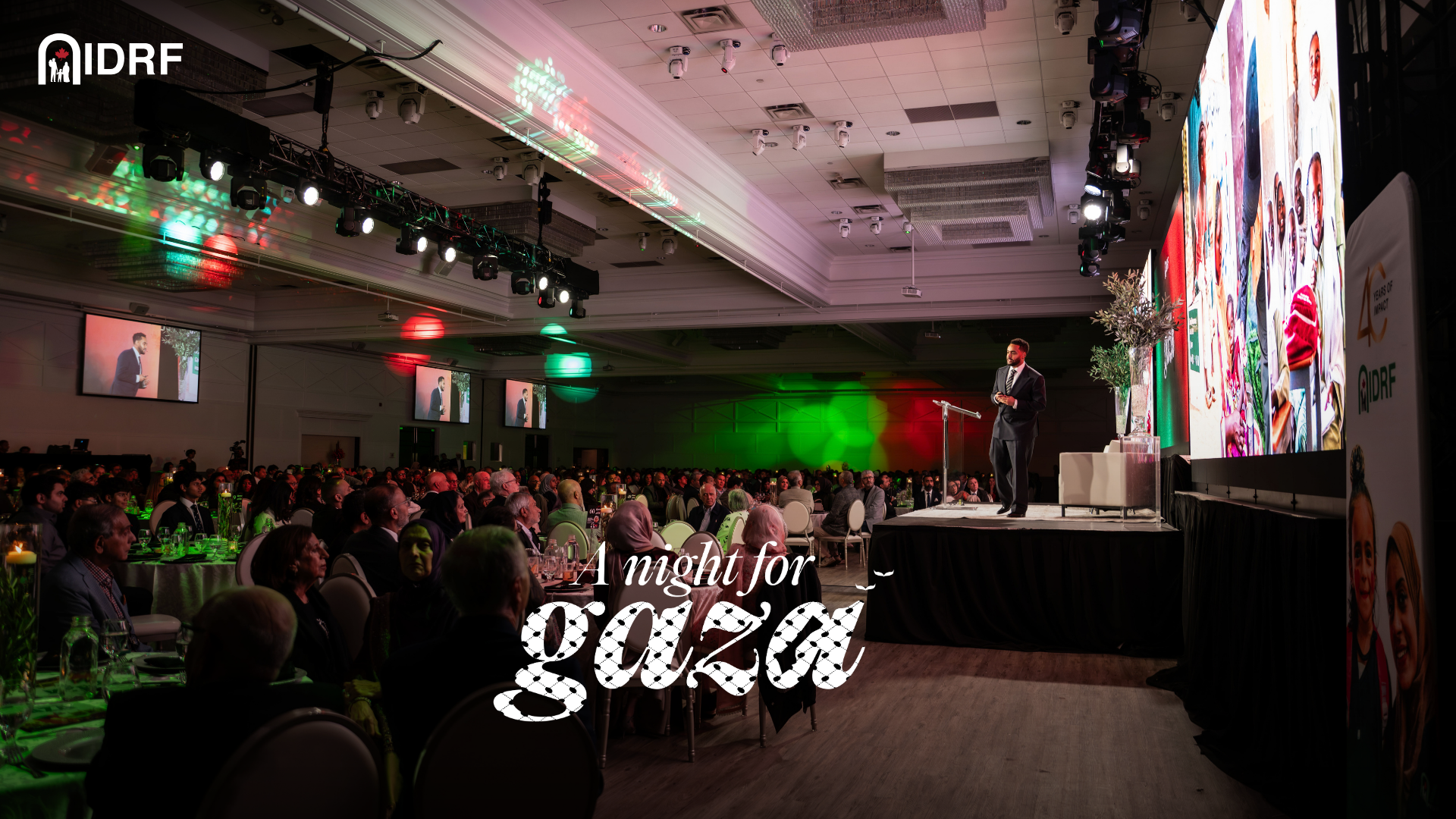
Most fundraising events build to an appeal.
There’s a formula, and most people in this sector know it. The room fills. A beautiful meal is served. A speaker moves everyone. And then, once the room is moved, someone asks for support.
For A Night for Gaza, we wanted to try the opposite. Before asking anyone for anything, we wanted to show the work and let it speak for itself.
So we put it on the screen. Country by country, we showed what was needed, what we delivered, what reached people, and where we faced challenges. Then we focused on Gaza and walked through what it takes to get clean drinking water to one family: sourcing it, moving it, and getting it past everything that stands between a warehouse and a front door. Not just the outcome. The whole route, including the parts where it fails.
Then, before dinner, before Maghrib, the sunset prayer, before our keynote speakers said a word, we asked.
And people answered.
In Ottawa and Toronto, more than 1,500 people came together and raised nearly $5 million. Then I got on a plane to Calgary, where our community raised close to $300,000. Vancouver added another $190,000. Four cities, roughly 2,000 people, and about $5.5 million raised for Gaza in just over a week.
What moves me most isn’t the total. It’s what the total means for the future. Our donors understood the need and what it costs to meet it, and they trusted us to deliver. Giving like that is different. It lasts.

What hasn’t changed
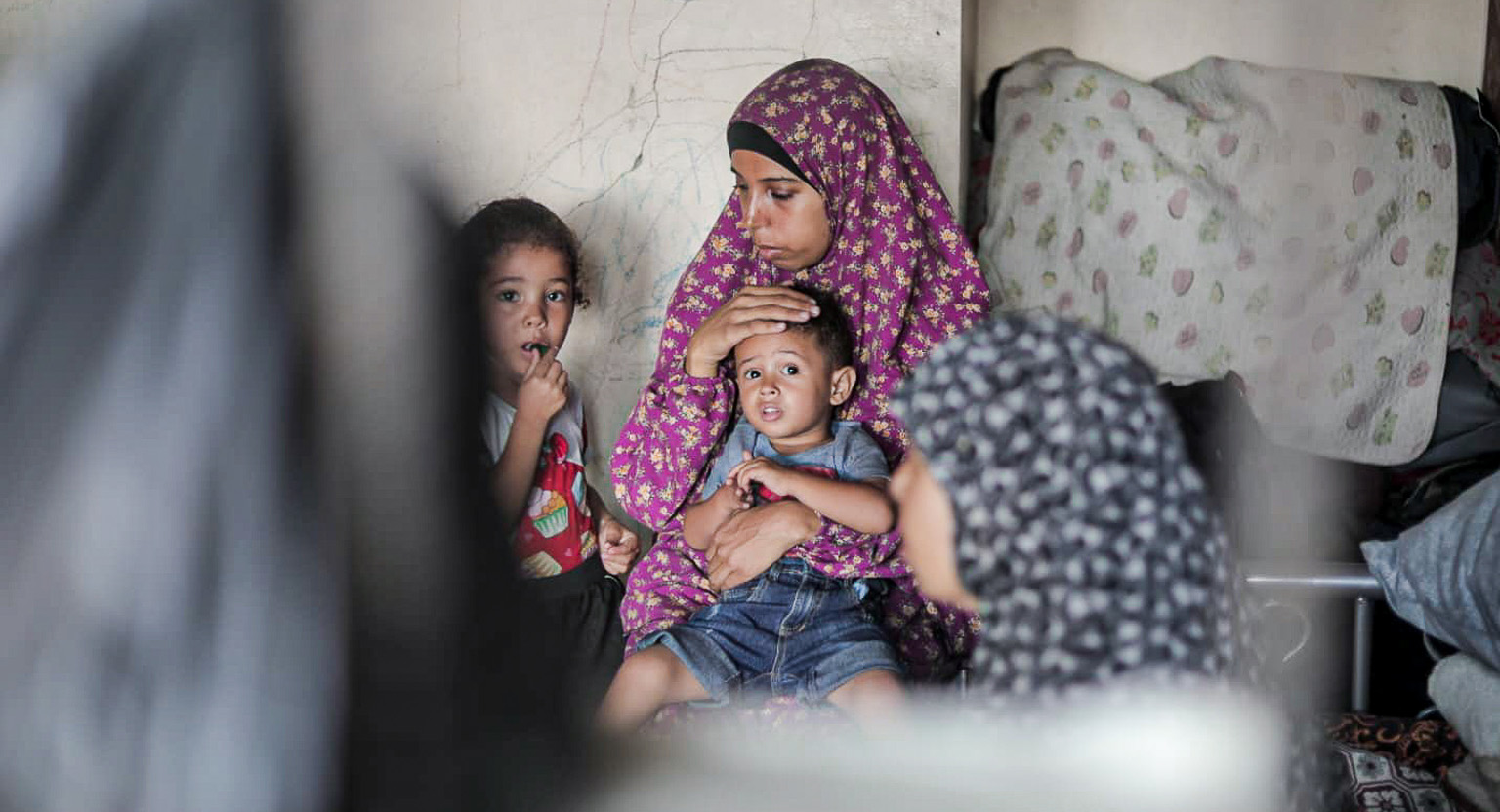
Three years into this genocide, the needs in Gaza remain immense.
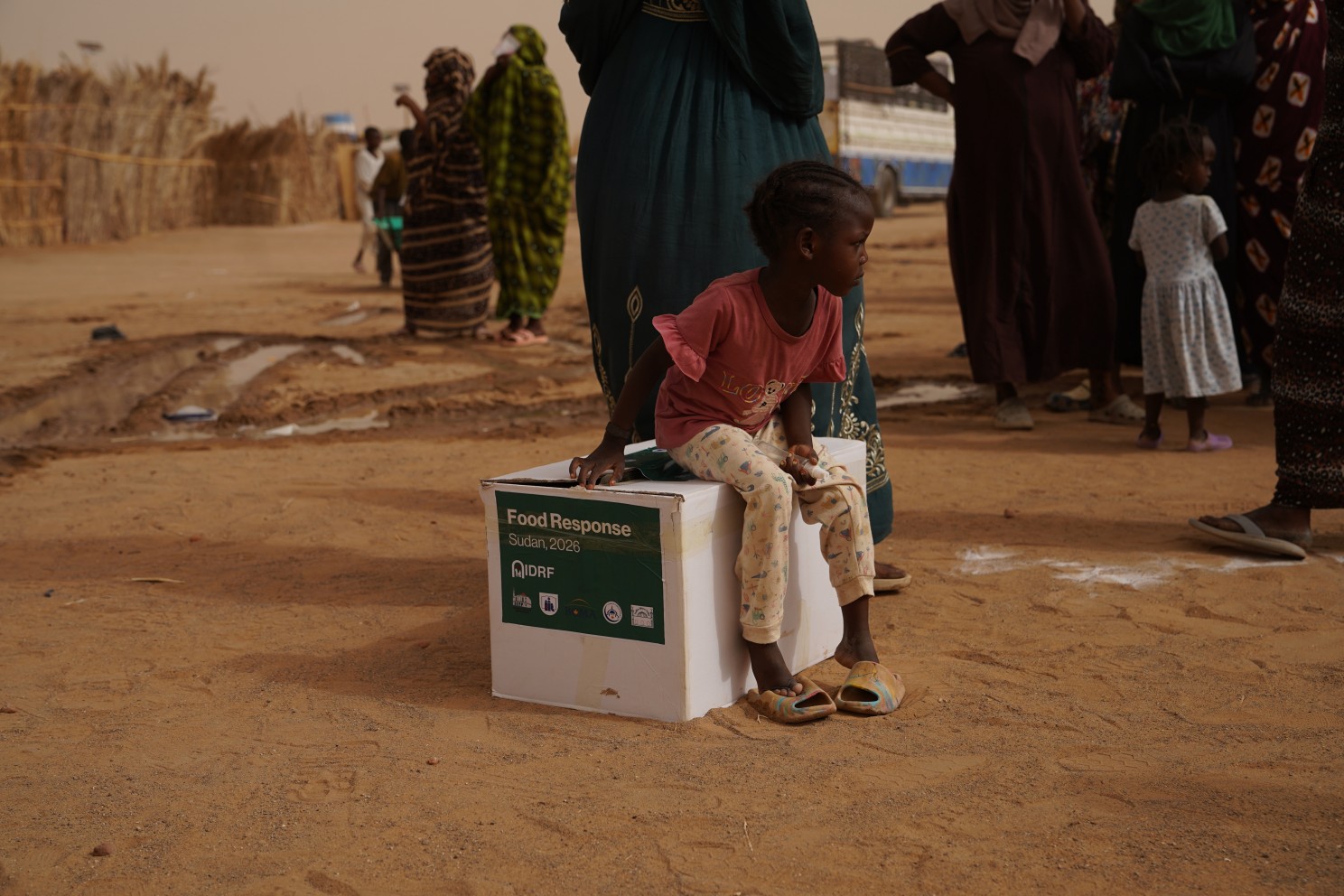
Our team on the ground sees them every day: clean drinking water, food, healthcare, fuel, shelter. The ordinary things every family needs to stay alive. And as winter approaches, conditions will only grow harder for families already living through the unimaginable.
What was raised across these four nights means we can meet more of that need and reach more people. It doesn’t mean the work is finished, and it doesn’t mean every delivery gets through. Access has been the greatest challenge in Gaza for decades, and even since the ceasefire took effect, it still is.
The fuller picture
At the galas, guests saw part of our work on a screen for an hour. Our Gaza Impact Report shares the rest.
It covers three years of our work since October 2023: what we delivered, who we reached, what our donors’ support made possible, and the challenges we faced along the way, including what didn’t work.
New to IDRF?
We’re a Canadian charity, founded in 1984 and based in Toronto. We run our own programs rather than routing donations through an international head office, which keeps the distance between a gift made here and aid delivered as short as we can make it.
The most meaningful way to support this work is to give monthly. Needs don’t arrive on a schedule that matches our events. Monthly giving is what lets us respond in the week our team calls, not the week we book a hall.
As I write this, I’m on the field, standing in a building that existed as a slide at the galas. That is how we work at IDRF, and we’ll keep sharing updates with all of our donors as the work continues.
Nabil Ali
Interim CEO, IDRF