Pakistan has been facing recurring natural disasters, in addition to severe food and water scarcity.
As Pakistan continues to navigate the devastating aftermath of the 2022 floods and the 2023 monsoon rains, the nation faces compounded challenges like food insecurity, education deficits, maternal and newborn mortality, and severe water scarcity.
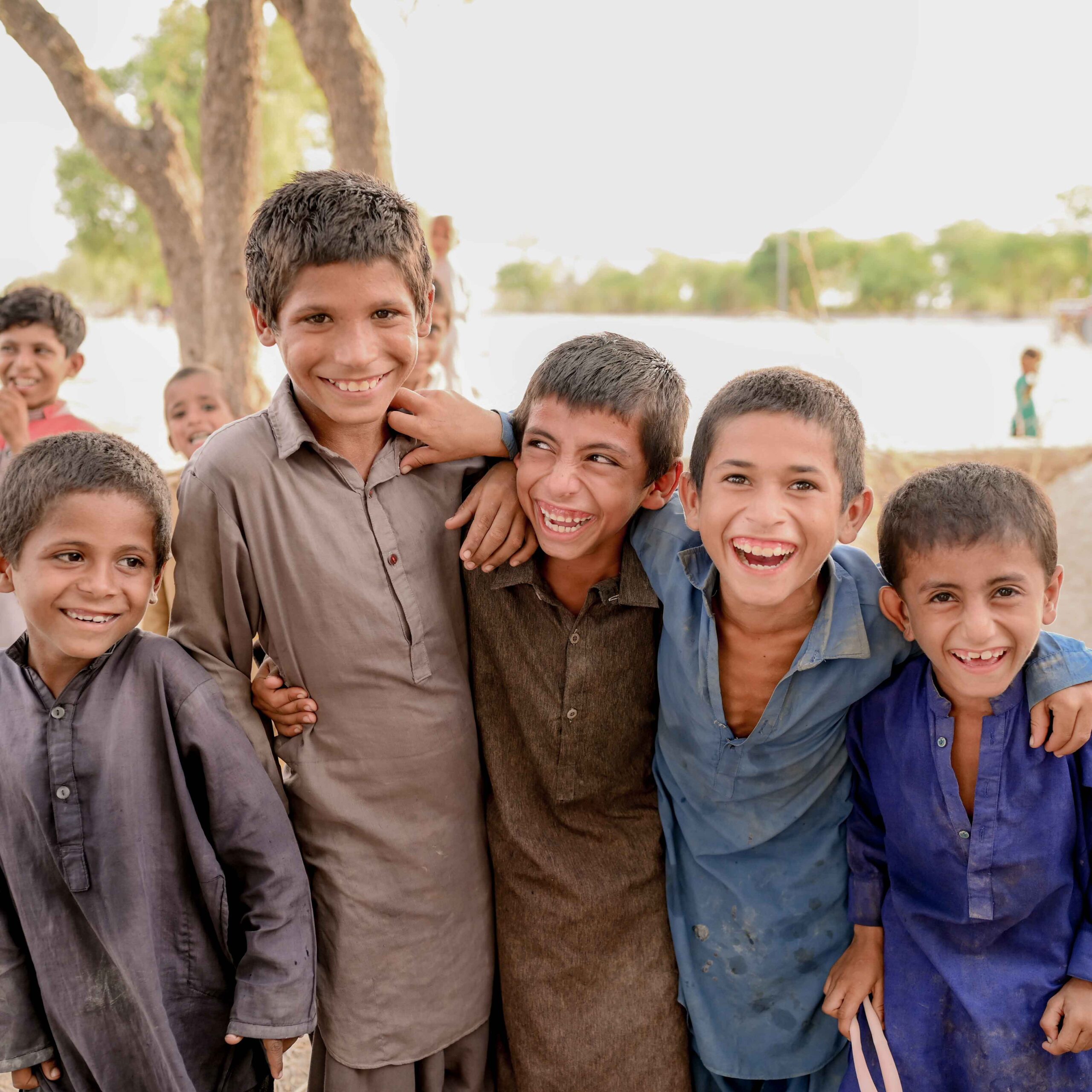
In April 2024, unexpected heavy rainfall struck Khyber Pakhtunkhwa Province, claiming at least 124 lives, the majority of them children. The downpours also devastated livelihoods, killing livestock, damaging thousands of homes, and destroying large areas of land.
When one crisis becomes many
Aftermath of floods
The devastating floods of 2022 submerged a third of Pakistan, impacting 33 million people, half of whom were children. Around 8 million Pakistanis were displaced, and entire water systems were destroyed in affected areas. As a result, families were forced to rely on contaminated water for survival in the aftermath. About 4 million acres of farmland were destroyed, and over 22,000 schools were damaged, interrupting education for over 3 million children.
Even today, a large number of people affected by the floods remain displaced, and are still reeling from its impact.
Food insecurity
Pakistan faces significant challenges with food insecurity, exacerbated by climate change, economic instability, and inflation. Food insecurity has been particularly dire in regions affected by recurring floods and climate shocks. Additionally, child malnutrition remains a pressing concern across Pakistan, despite advancements in other sectors.
Education
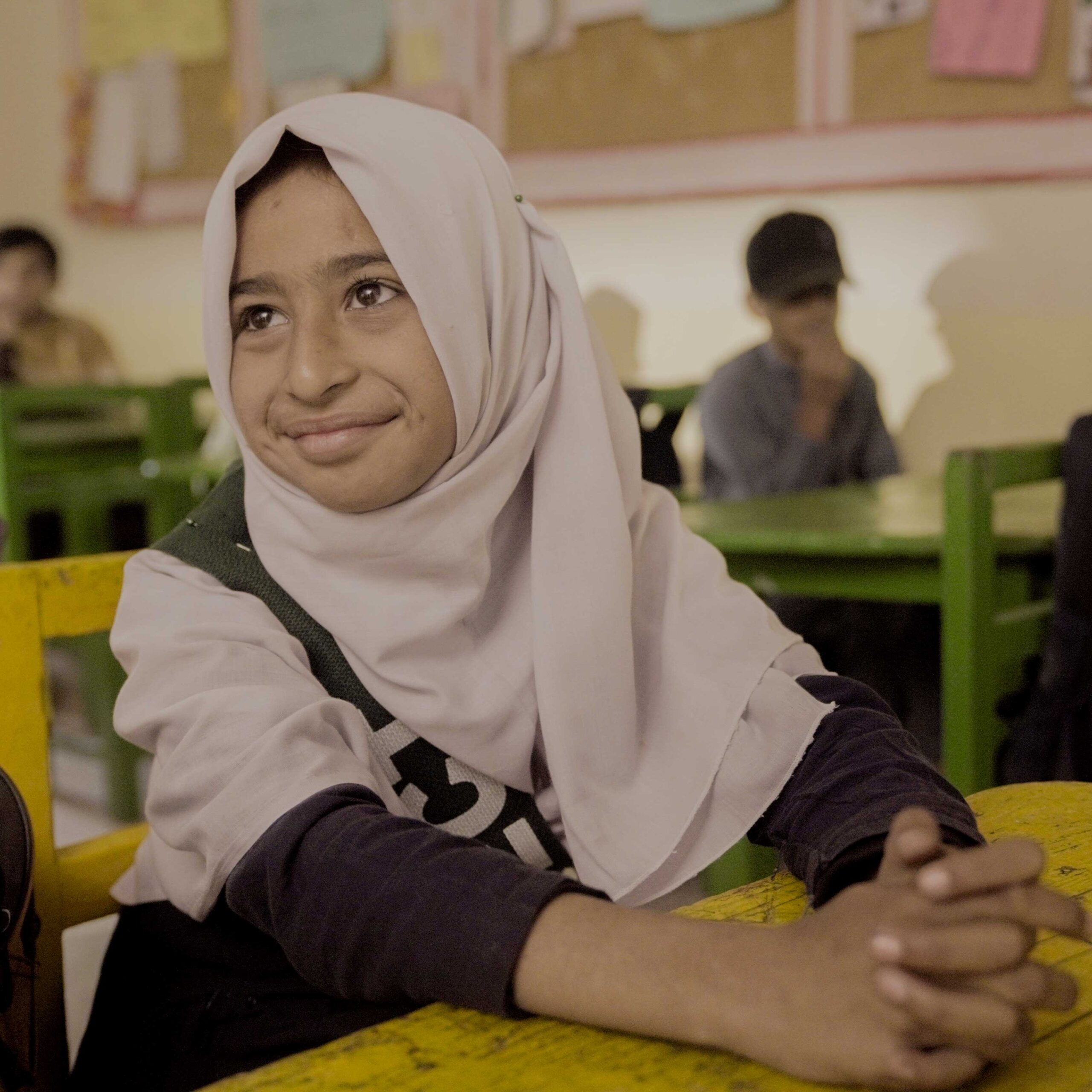
Around 22 million children in Pakistan are out of school. Despite efforts to improve enrollment and retention rates, progress has been slow, hindered by socio-cultural barriers, economic factors, and inadequate infrastructure. Girls continue to face significantly higher dropout rates across Pakistan.
IDRF’s response in Pakistan
01
Emergency relief efforts
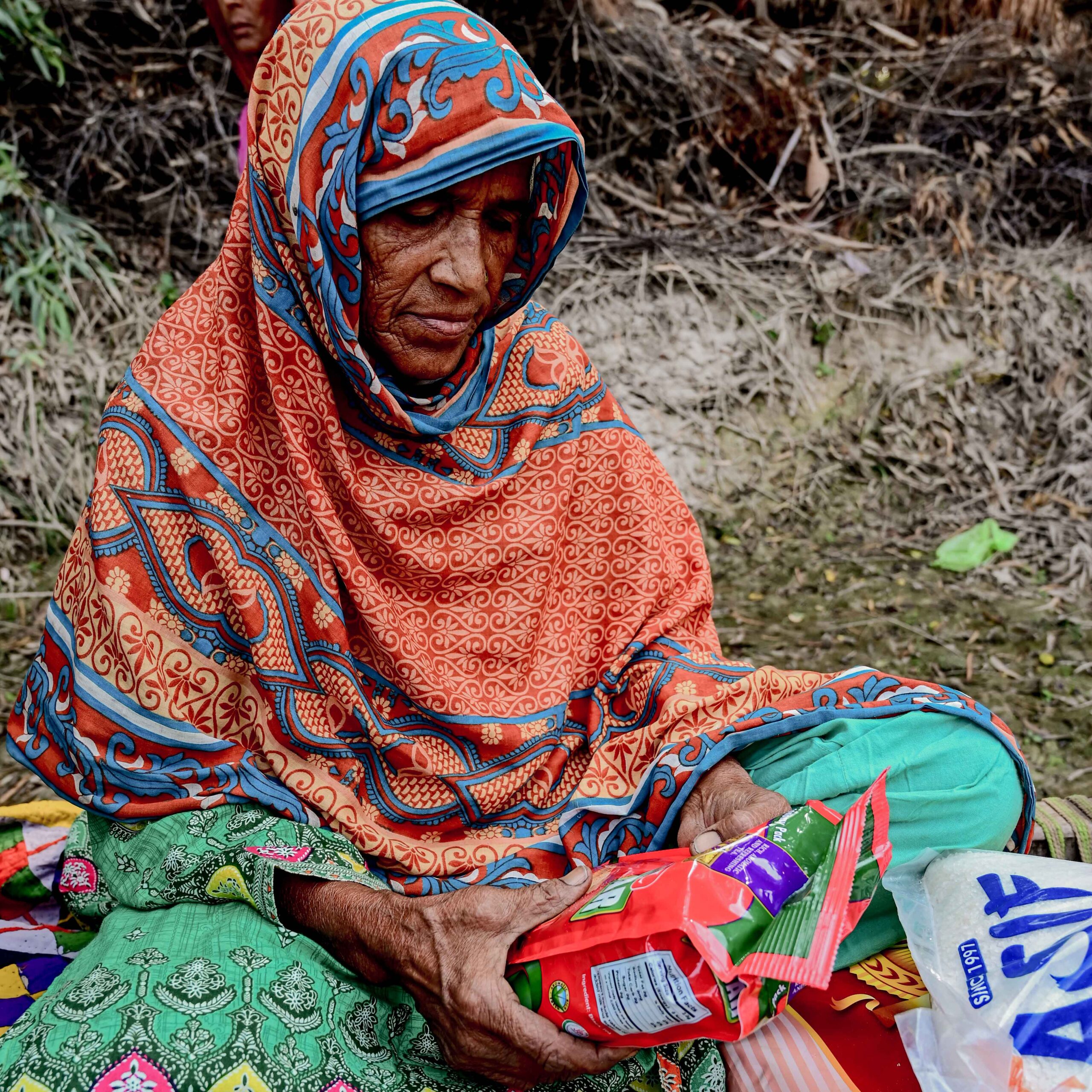
Following the catastrophic floods in 2022, IDRF mobilized immediately with the help of our local teams, delivering critical aid like food, clean water, hygiene kits, and shelter.
02
Education programs
We are advancing education in Pakistan, with a special focus on girls, by providing holistic education support services that include safe learning environments, gender-sensitive teaching practices, and community engagement initiatives to break down socio-cultural barriers.
03
Improving maternal & newborn health
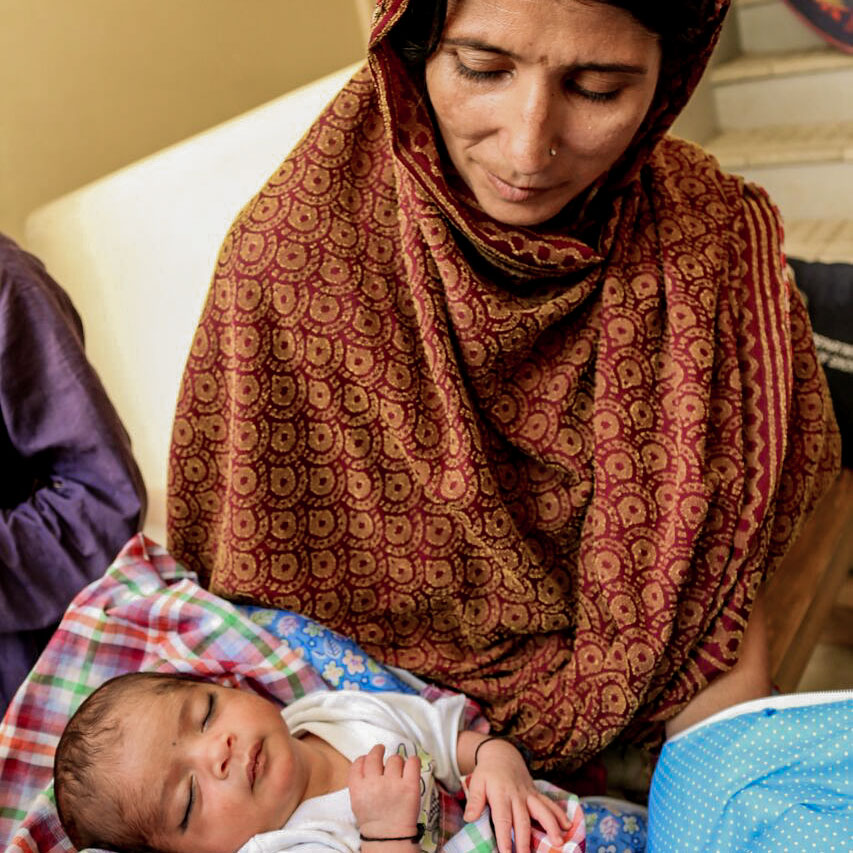
We are transforming maternal and newborn health outcomes by training midwives in remote regions, empowering them to deliver lifesaving care for mothers and babies.
04
Rebuilding flood-affected
communities
We are rebuilding homes for flood-affected communities in Pakistan, constructing durable structures that offer long-term stability and serve as a safe haven for generations.