Secure payment: All donations are secured by SSL encryption and protected by reCaptcha.
The crisis in Gaza has reached an unprecedented level of devastation.
Since October 7th, over 70,000 Palestinians have been killed, with almost 70% of the victims being women and children. The entire population of 2.2 million Gazans requires urgent humanitarian assistance.
The humanitarian emergency remains severe. Essential supplies such as food, clean water, medicine, and fuel are still extremely limited.
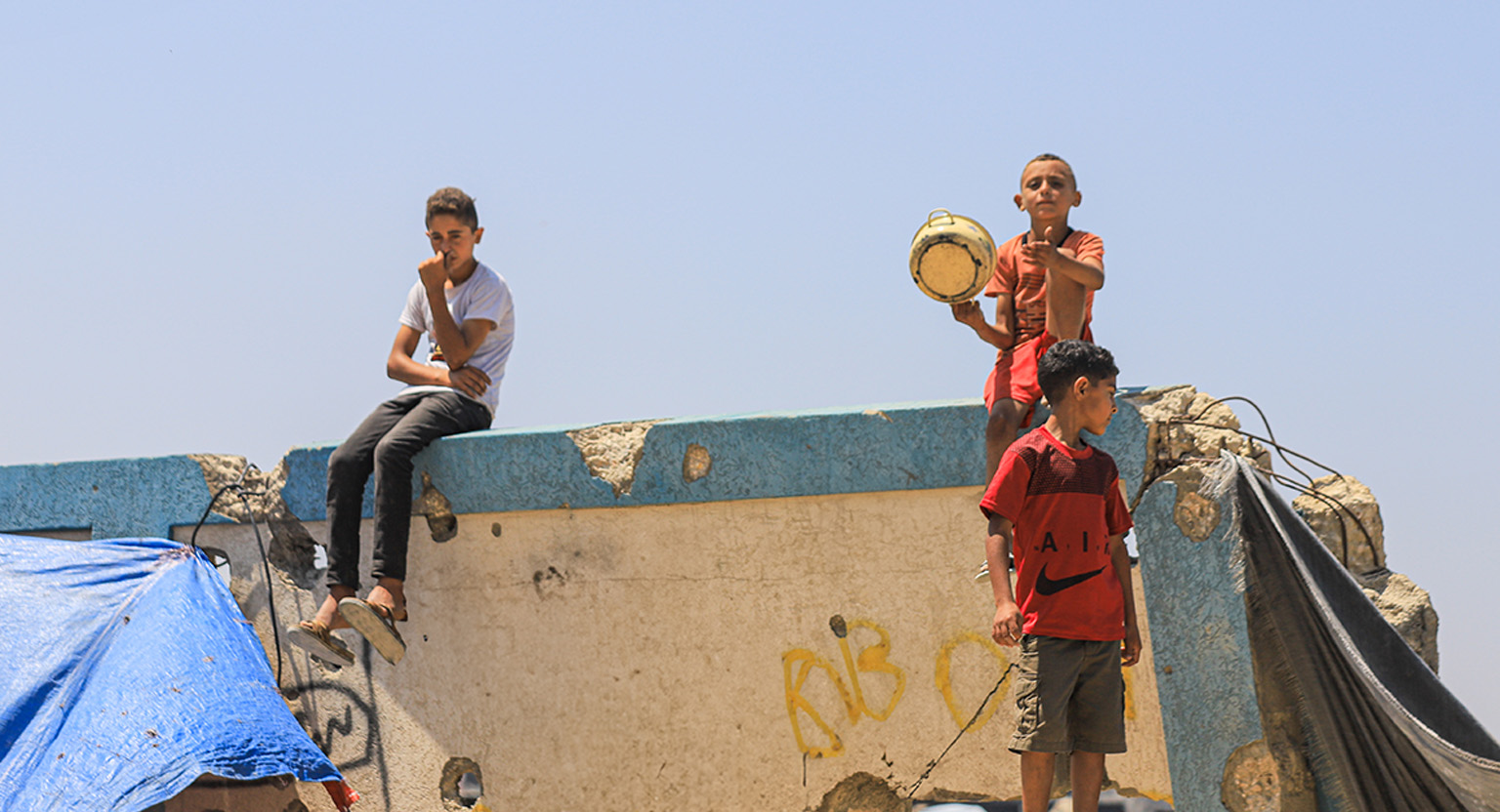
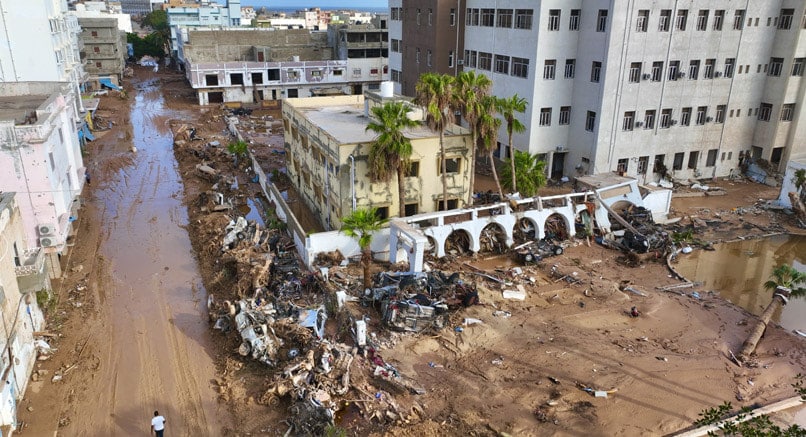
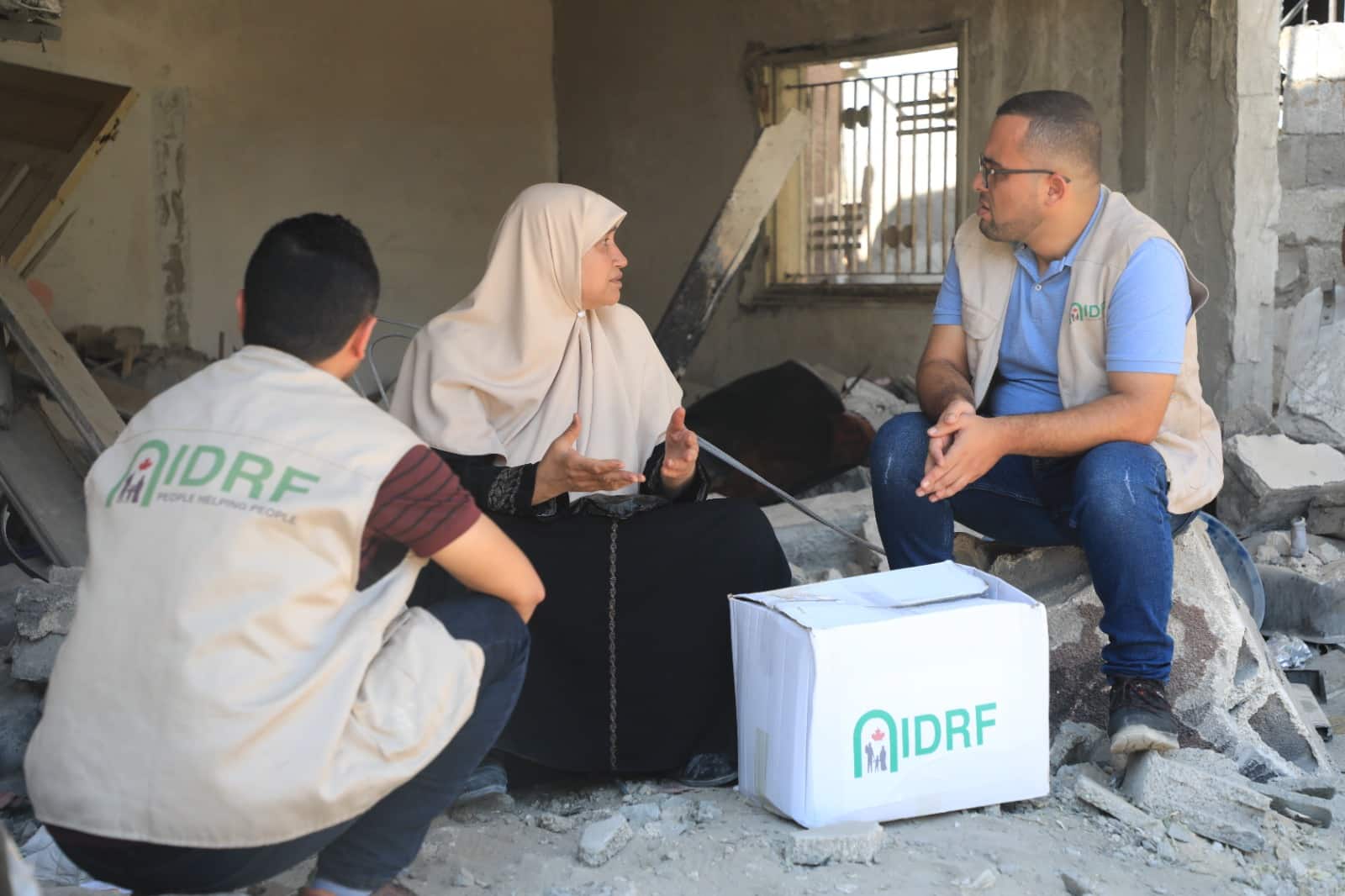
Entire neighbourhoods have been destroyed. Hospitals and shelters are overwhelmed, and families continue to face life-threatening conditions every day. Gaza’s water networks have been decimated — per capita water availability has dropped by 97%, leaving families without safe water for drinking, cooking, or sanitation.
There can be no meaningful recovery without sustained access to life-saving aid, the restoration of basic services including clean water, and long-term support for families who have lost everything.
2M+
people in need of humanitarian aid in Gaza
95%
of population without access to clean water
The Need for Aid
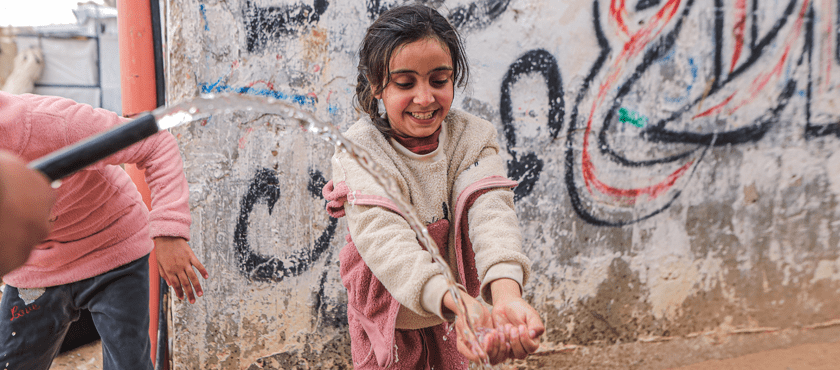
Clean water has become one of the most urgent needs in Gaza. With water networks decimated, families are struggling to access safe water for drinking, cooking, and basic sanitation.
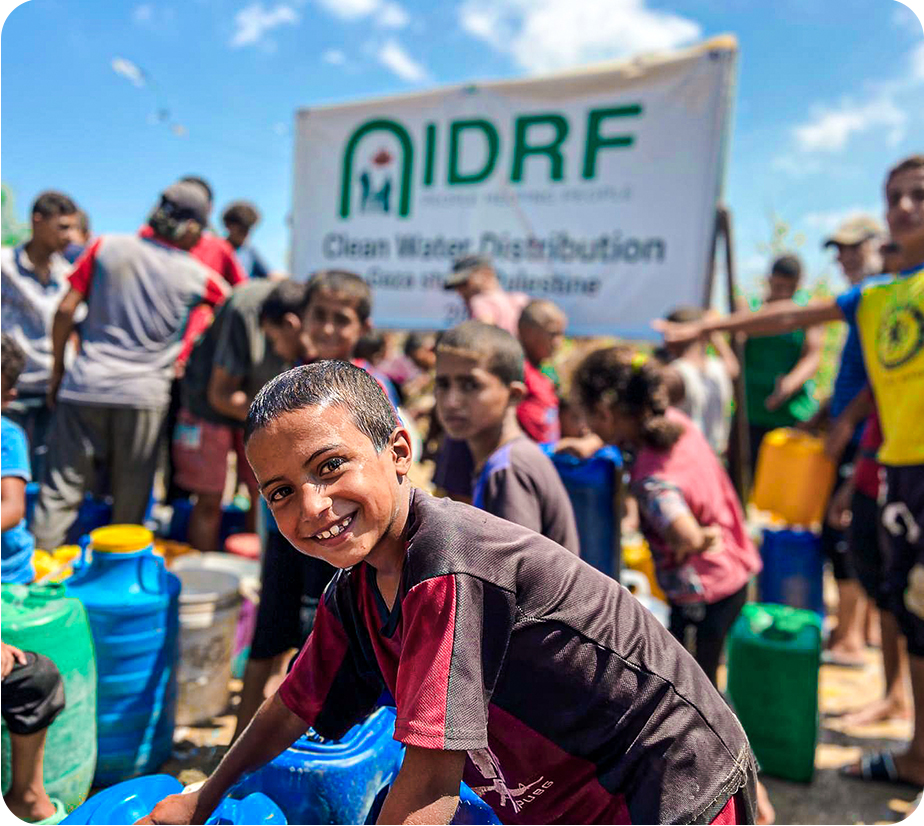
IDRF is currently delivering 1.3 million litres of clean water daily — and the need continues to grow.
IDRF continues to work closely with trusted local partners to deliver urgent assistance across all fronts, including medical aid, food support, psychosocial care, and emergency shelter.
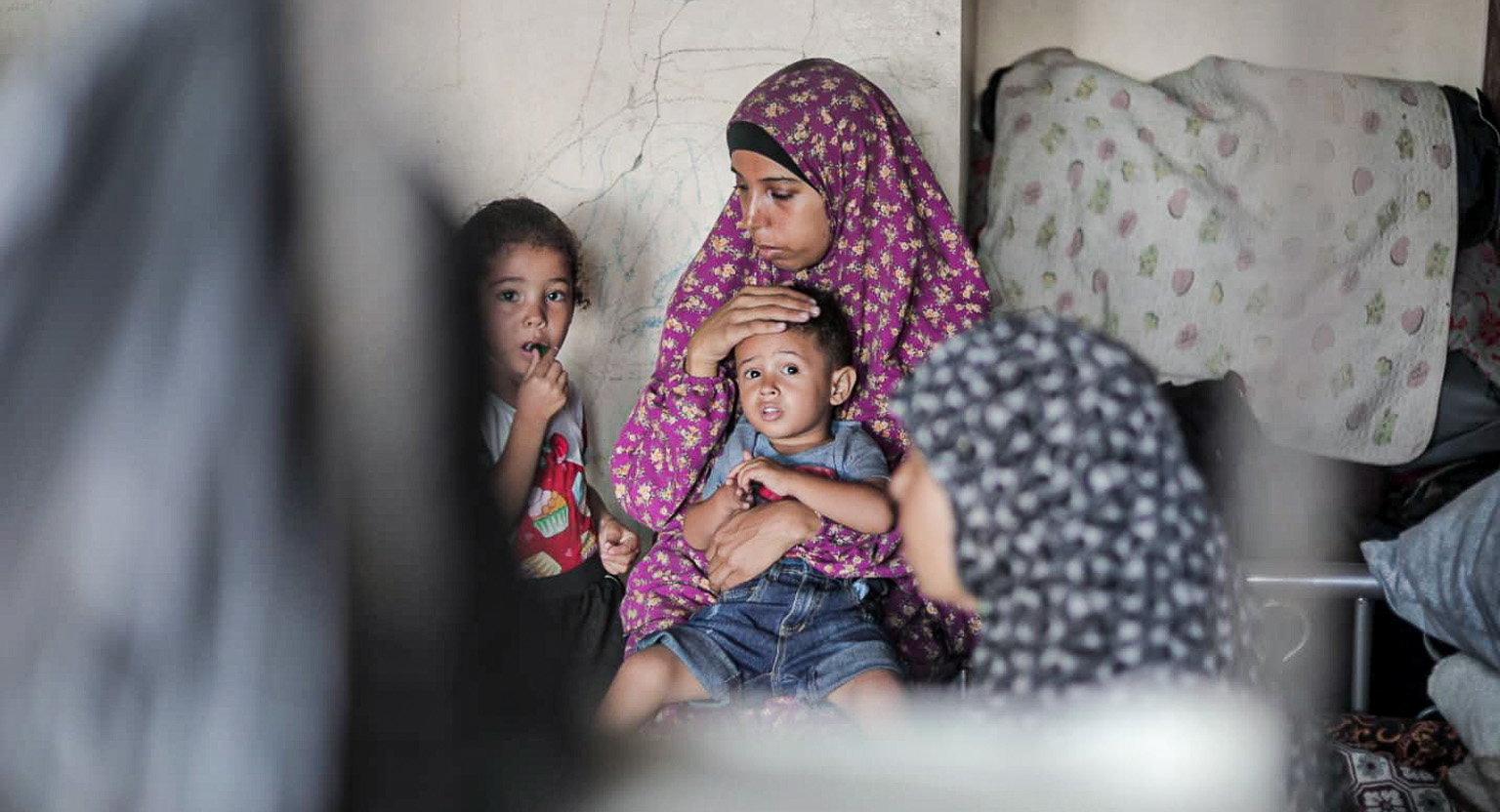
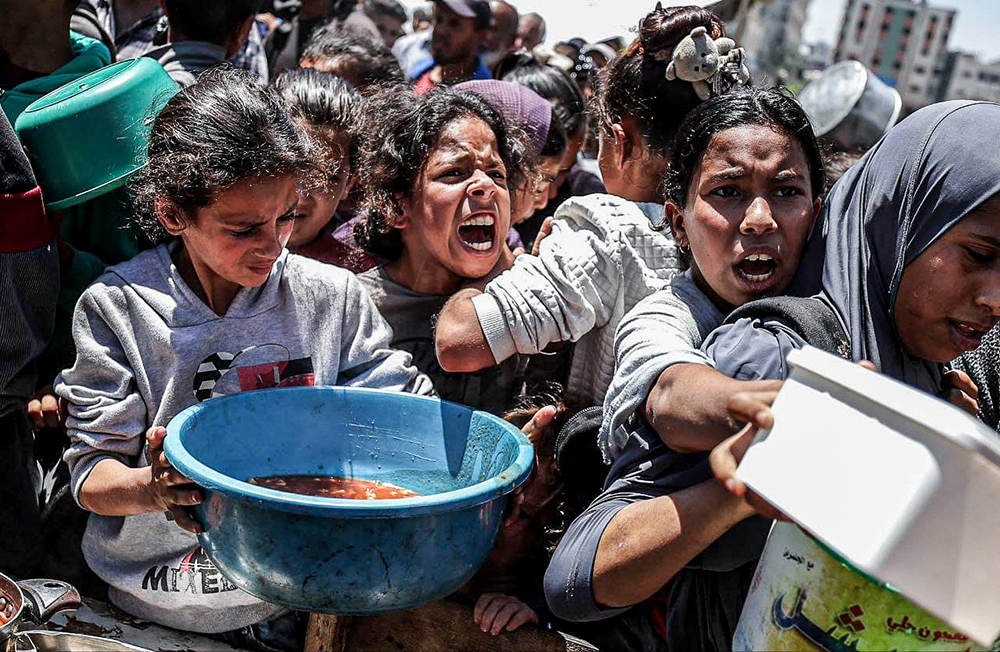
Daily life in Gaza is a fight for survival. This dire situation necessitates continuous aid to sustain life in Gaza, every single day. Vulnerable groups, including children, pregnant women, the disabled, and the elderly, are particularly at risk and need immediate support.
Your donations help us deliver:
Clean water from our Gaza-based desalination plant
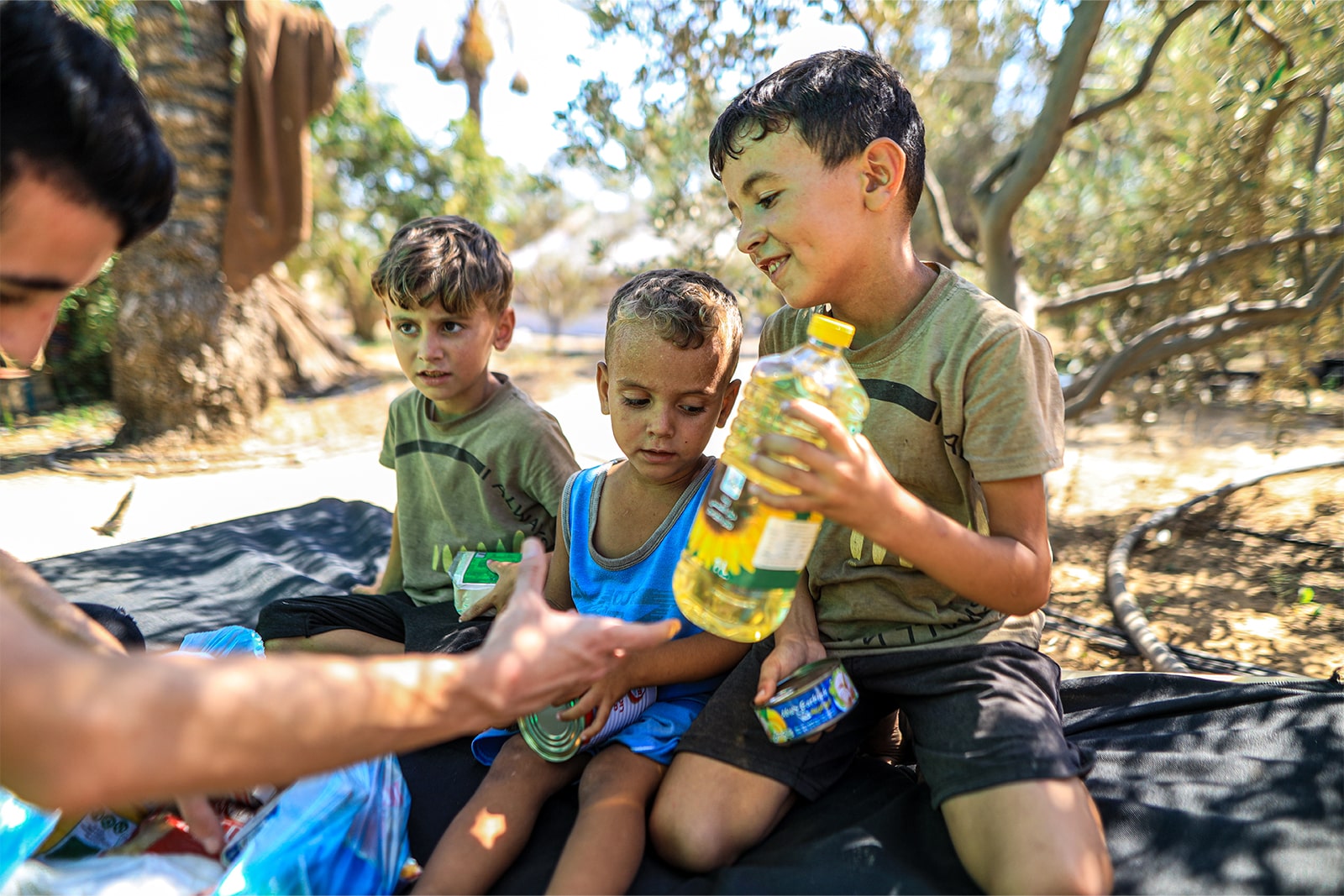
Emergency food parcels to the most vulnerable
Psychosocial support for children
Medical and hygiene essentials
- Temporary shelters for displaced families

1994
Started Work in Palestine
1,121,595
PEOPLE RECEIVED SUPPORT in 2025
Deliver life-saving water across Gaza
Our Water Collection Points Across the Gaza Strip
Our Water Collection Points
Across the Gaza Strip
To only see IDRF’s water distribution points, select IDRF under the Organization filter
Two years of resilience: read our Gaza impact report
How is IDRF helping?
Water, sanitation & Hygiene
IDRF’s Water, Sanitation, and Hygiene (WASH) program focuses on three key areas to address urgent needs in Gaza:
Water Desalination Plant: Our plant converts contaminated or saltwater into clean, drinkable water every single day, producing over 1.3 million litres of fresh water. Families can collect water directly, or it is delivered to them.
Water Trucks: We operate trucks with 10,000-litre capacity, delivering clean water from the plant to displacement camps across Gaza.
Jerry Cans: Water is also distributed in jerry cans for families without containers or access to water points. These are a critical tool for portability and dignity.
Food Aid
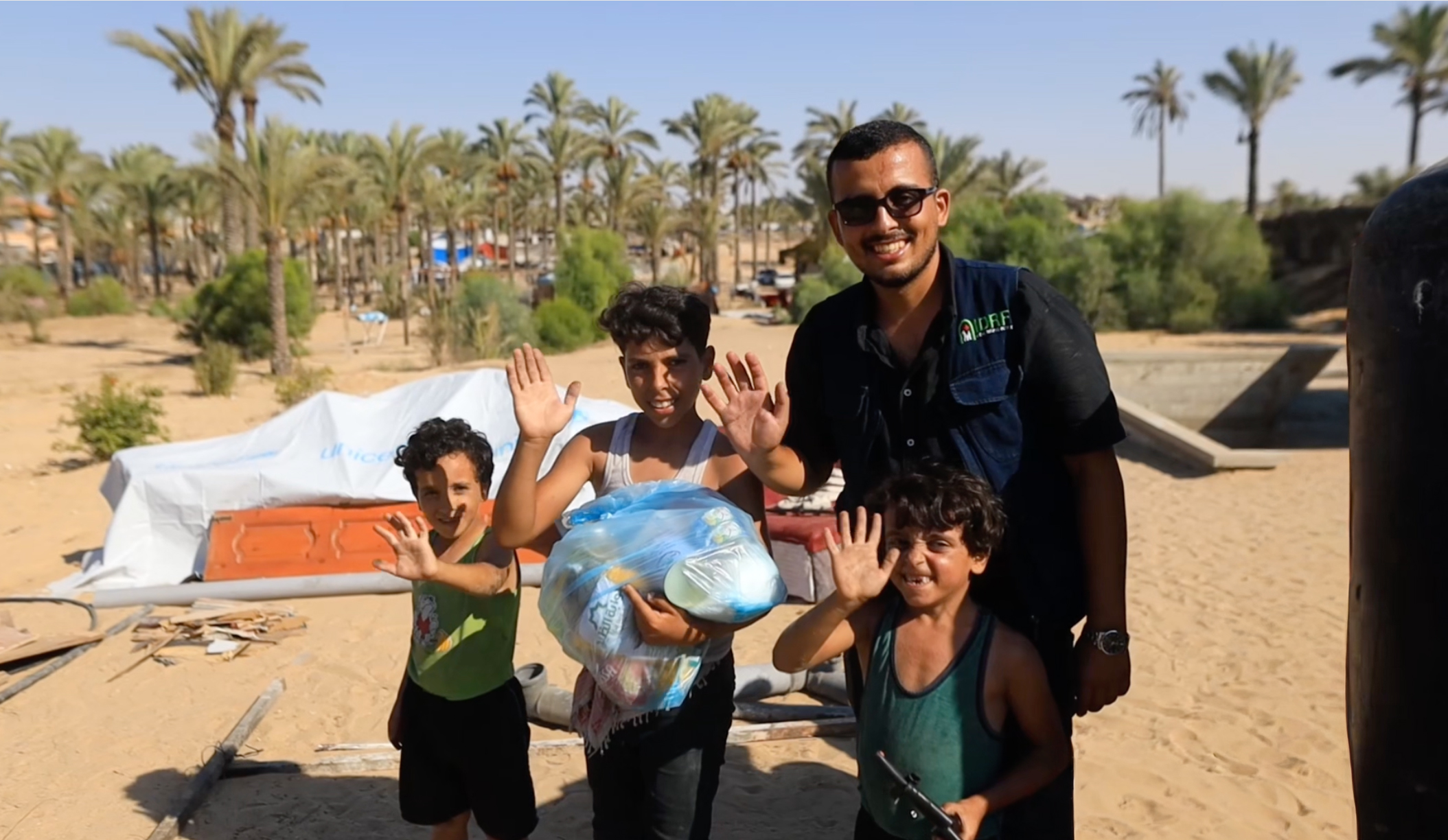
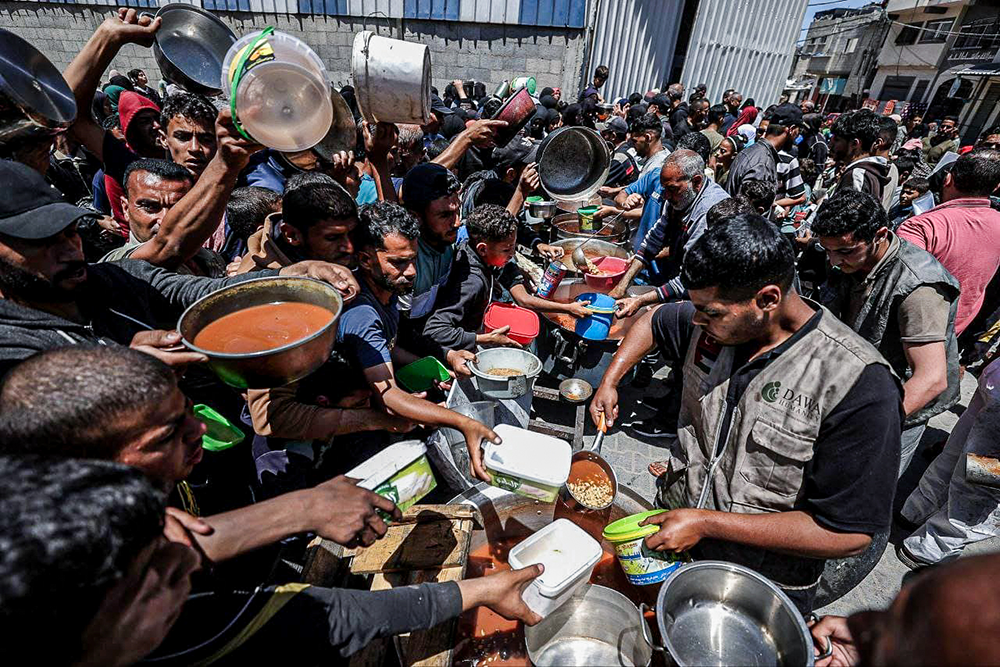
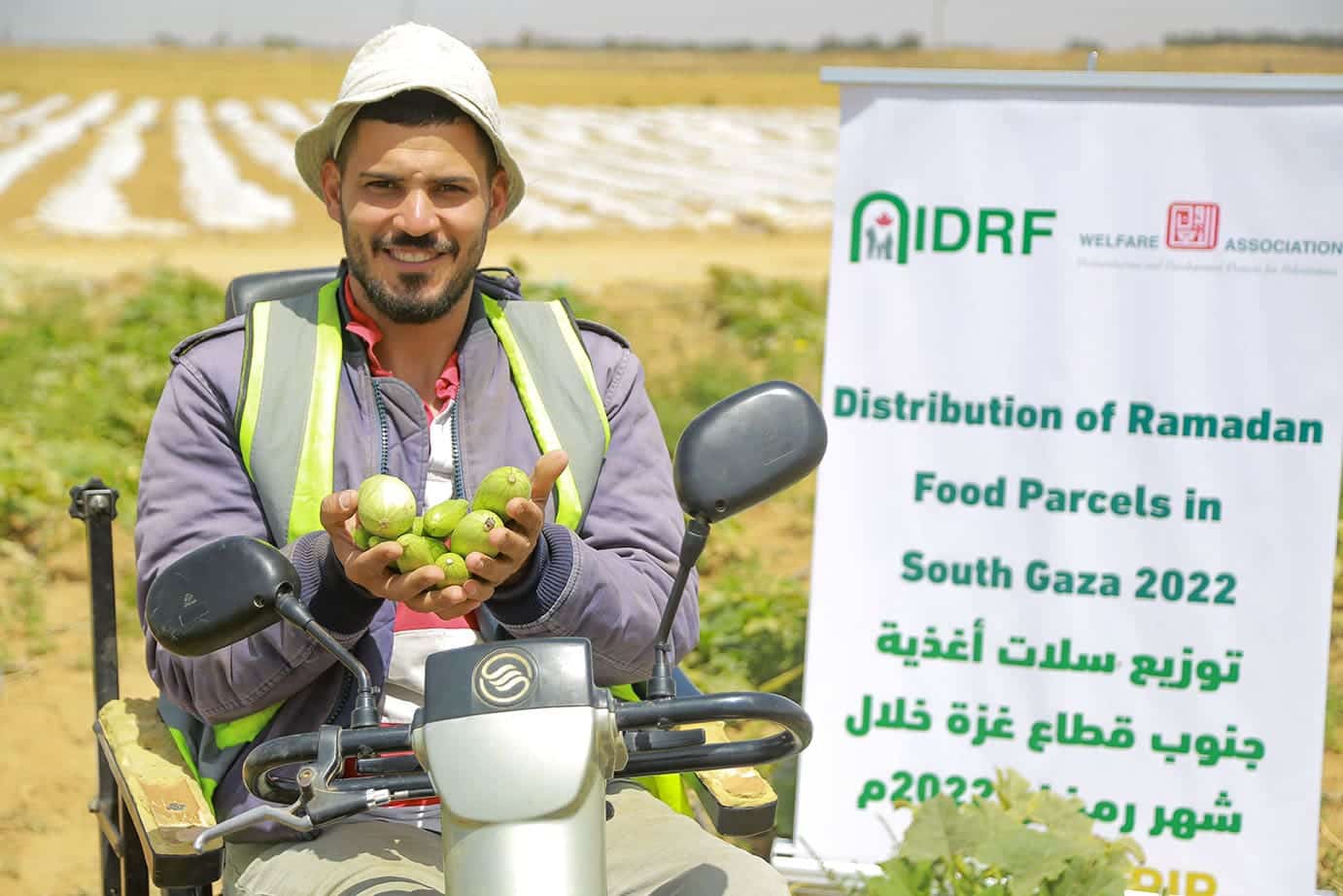
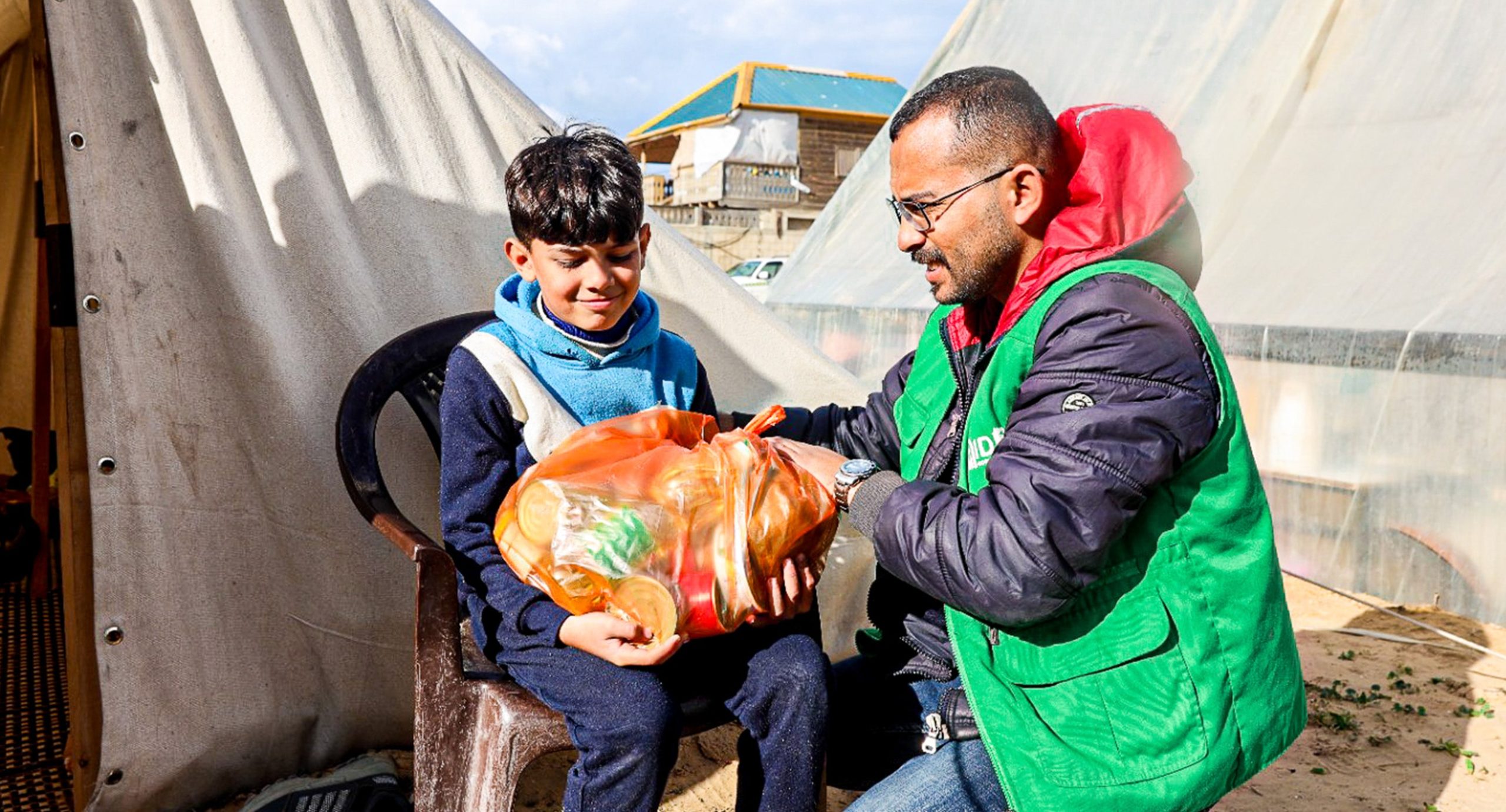
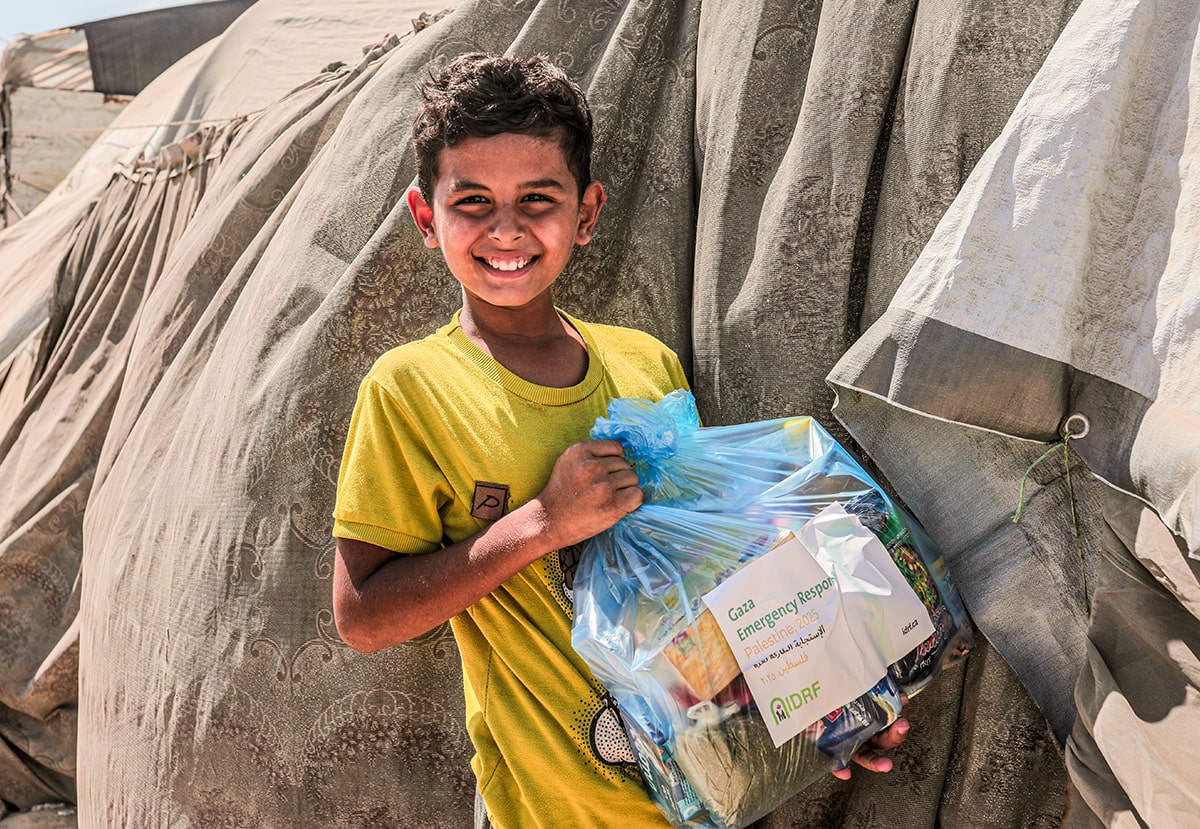
IDRF has resumed its food parcel program in Gaza, ensuring vulnerable families have access to essential food supplies.
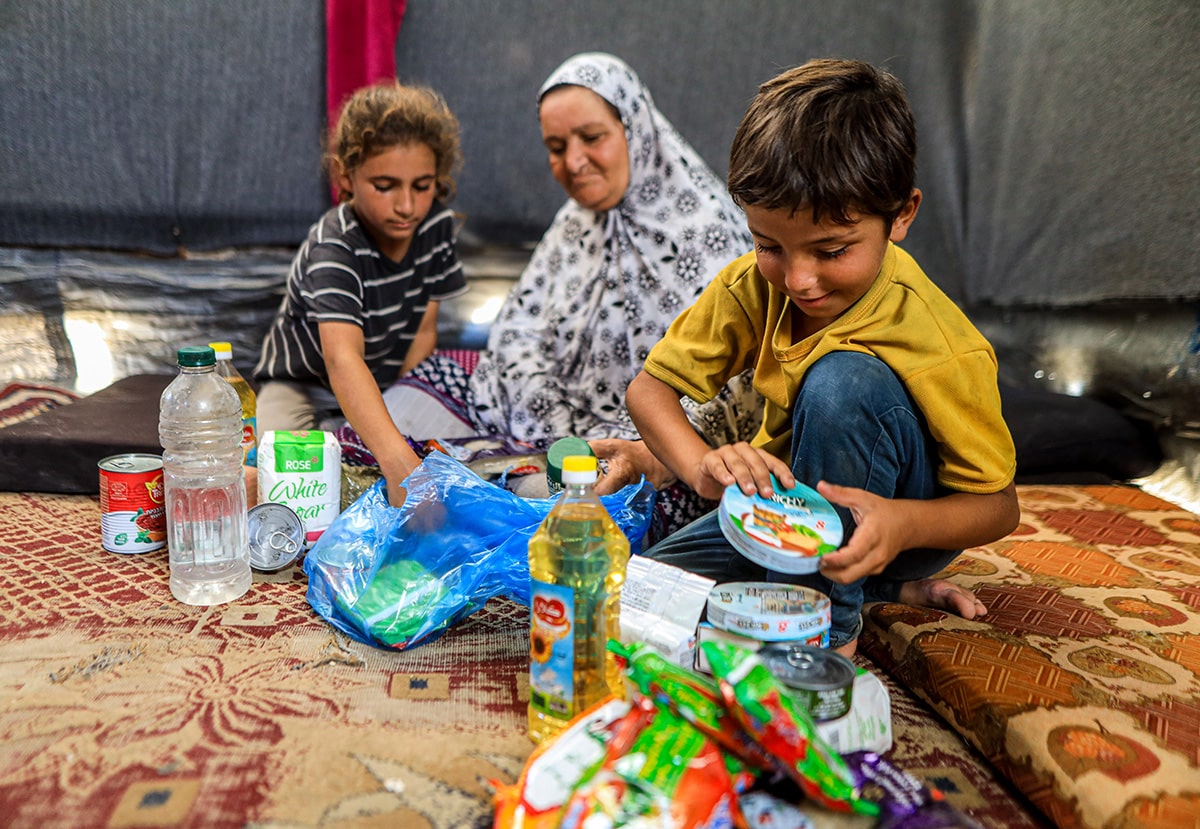
Each food parcel contains staple items to support a family of 6–7 people for approximately one week, including: pasta, rice, cheese, canned fish, beans, tomato paste, sugar, frying oil, tahini, bread, yeast, thyme, and more.
To ensure families have consistent access to food, IDRF is conducting regular distributions and working to reach as many families as possible. Food parcels are sourced, packaged, and delivered through our local team and partners, making sure aid reaches those who need it most.
Cost per parcel:
$100 provides a family with a week’s worth of essential food.
Medical Clinics & hospital support
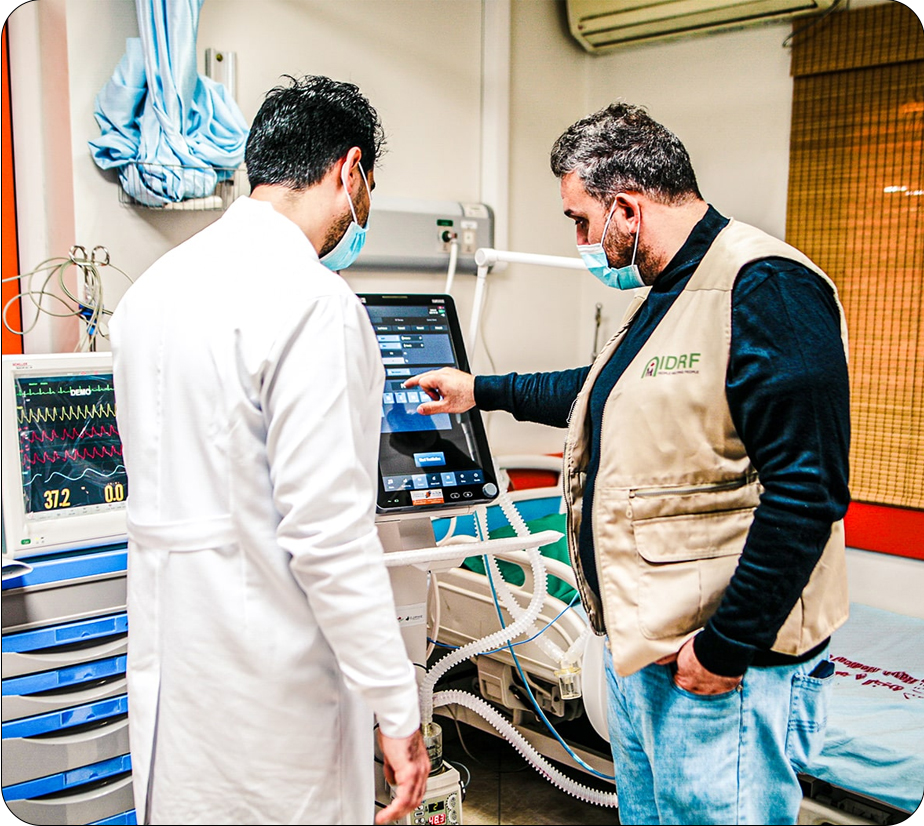
IDRF has established five medical clinics in Gaza, offering primary medical care to those in need. To expand our reach, we aim to set up eight additional medical points across Gaza and introduce essential trauma services to existing clinics.
We also support hospitals by supplying fuel to keep generators running and ensuring facilities remain operational. In addition, IDRF provides hospitals with much-needed consumables, medication, and, where possible, larger medical equipment to enhance the quality of care and treatments available.
non food items
IDRF’s non-food assistance focuses on providing essential support through two key areas:
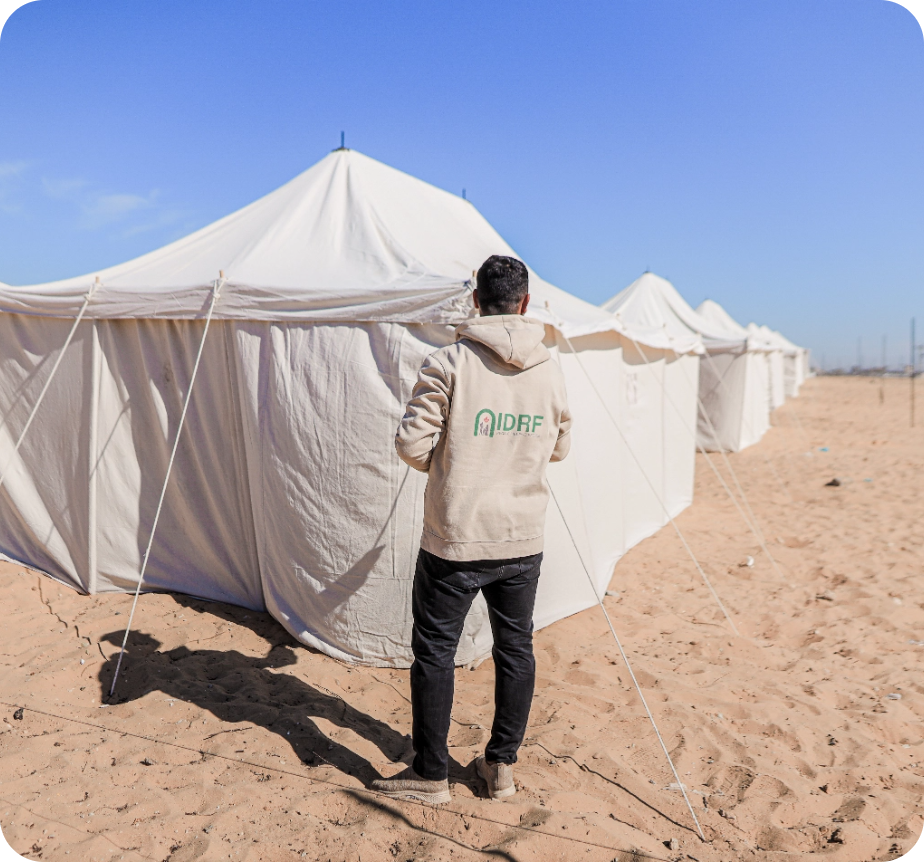
Tents: IDRF continues to establish tent homes as a temporary housing solution for displaced families. These tents are equipped with basic furnishings, including mattresses, blankets, and pillows, to offer comfort and dignity during difficult times.
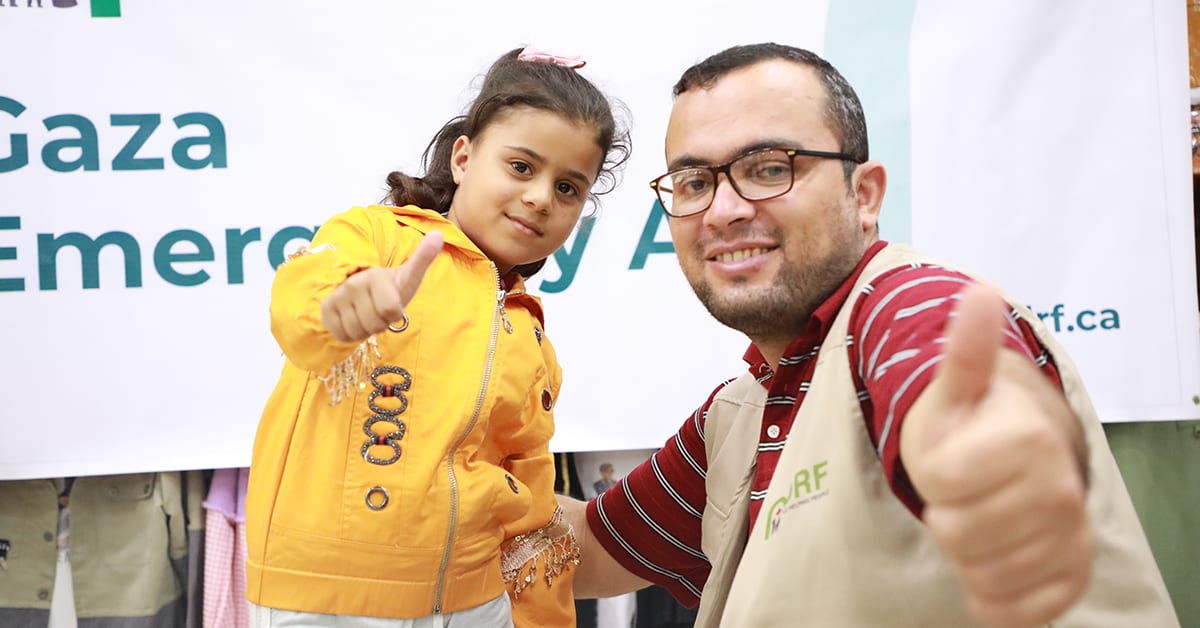
Clothing: With many families having lost all their belongings, there is an urgent need for clothing. Priority is given to women, children, and seniors, followed by other vulnerable groups, ensuring everyone in need receives essential garments.
In The Media
Your donations in action
Each parcel contains essential staple foods such as
• 1 kg pasta
• 2 kg rice
• 0.5 kg yellowcheese
• 2 cans of fish
• 2 cans of beans
• 1 can of tomato paste
• 2 kg sugar
• 1 liter frying oil
• 0.5 kg tahina
• 2 cans of white cheese
• 1 packet bread
• yeast
• 0.25 kg thyme
Each parcel is designed to support a family of 6–7 people for approximately one
week.
IDRF is conducting food parcel distributions on a bi-weekly basis to ensure
families have consistent access to food.
Currently, parcels are being distributed in Gaza City and Khan Younis.
Food is procured locally through suppliers that receive shipments through the
ports, as available. Supplies are then transported to IDRF’s warehouse,
repacked into family-sized parcels, and distributed through our logistics team.
Each parcel costs $120. This covers procurement, packaging, and delivery to
families in need.
Families are identified through IDRF’s local partners and beneficiary databases.
Priority is given to the most vulnerable households.
All procurement and distribution processes follow IDRF’s policies and
compliance procedures. Reports, receipts, and distribution lists are maintained,
and regular monitoring is conducted to ensure aid reaches the intended
beneficiaries.
Donors receive updates through reports, videos, photos, and media links. We
also share updates on our website, social media channels, and directly via
email.
Yes, IDRF works in coordination with trusted local partners. IDRF is also a
member of the UN OCHA Humanitarian Clusters, ensuring that food deliveries
are coordinated, projects adhere to best practices, and all work upholds
humanitarian standards.