Yémen

Toujours là.
Toujours nécessaire.

Nearly twelve years of conflict have left over 22 million Yemenis without reliable access to food, clean water, or healthcare.

Début de nos activités au Yémen

1984

Programmes actifs

1

Personnes touchées en 2024-2025

1

The crisis
just deepened

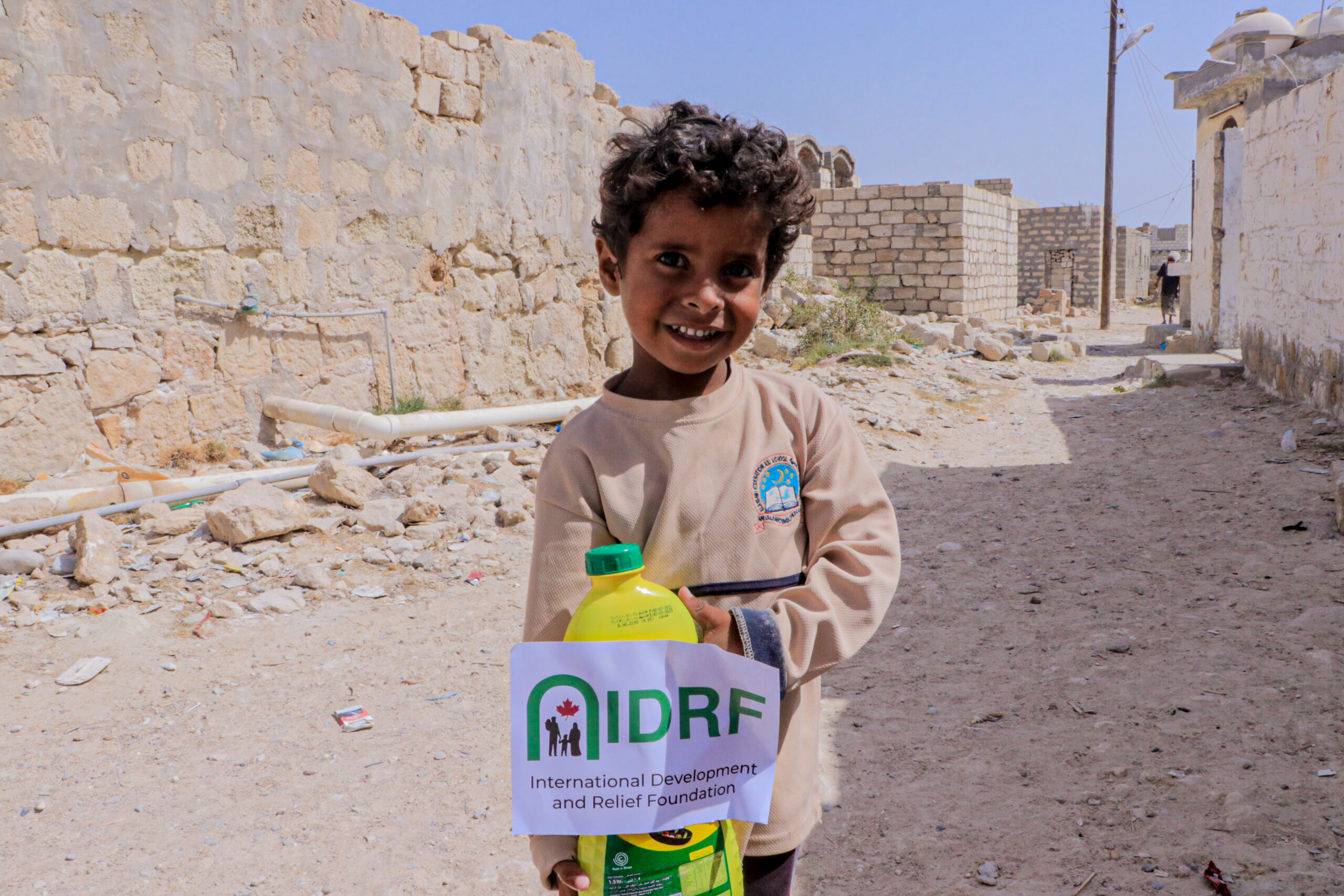
Yemen’s crisis has taken a sharp turn. Since early September, more than 85,000 people have been forced from their homes, many for the second or third time in twelve years. Families are arriving in communities already stretched past capacity, with nothing but what they could carry. IDRF teams are on the ground now, delivering emergency food to displaced families. Your gift reaches them today.

Depuis près d'une décennie de conflit, le Yémen fait face à l'une des pires crises humanitaires du monde.

Years of conflict have devastated the country’s infrastructure and economy, leaving the population vulnerable to a cascade of emergencies.

Chronic food insecurity, mass displacement, a shattered healthcare system, and limited access to clean water and sanitation have left over 22 million Yemenis in need of urgent humanitarian support.

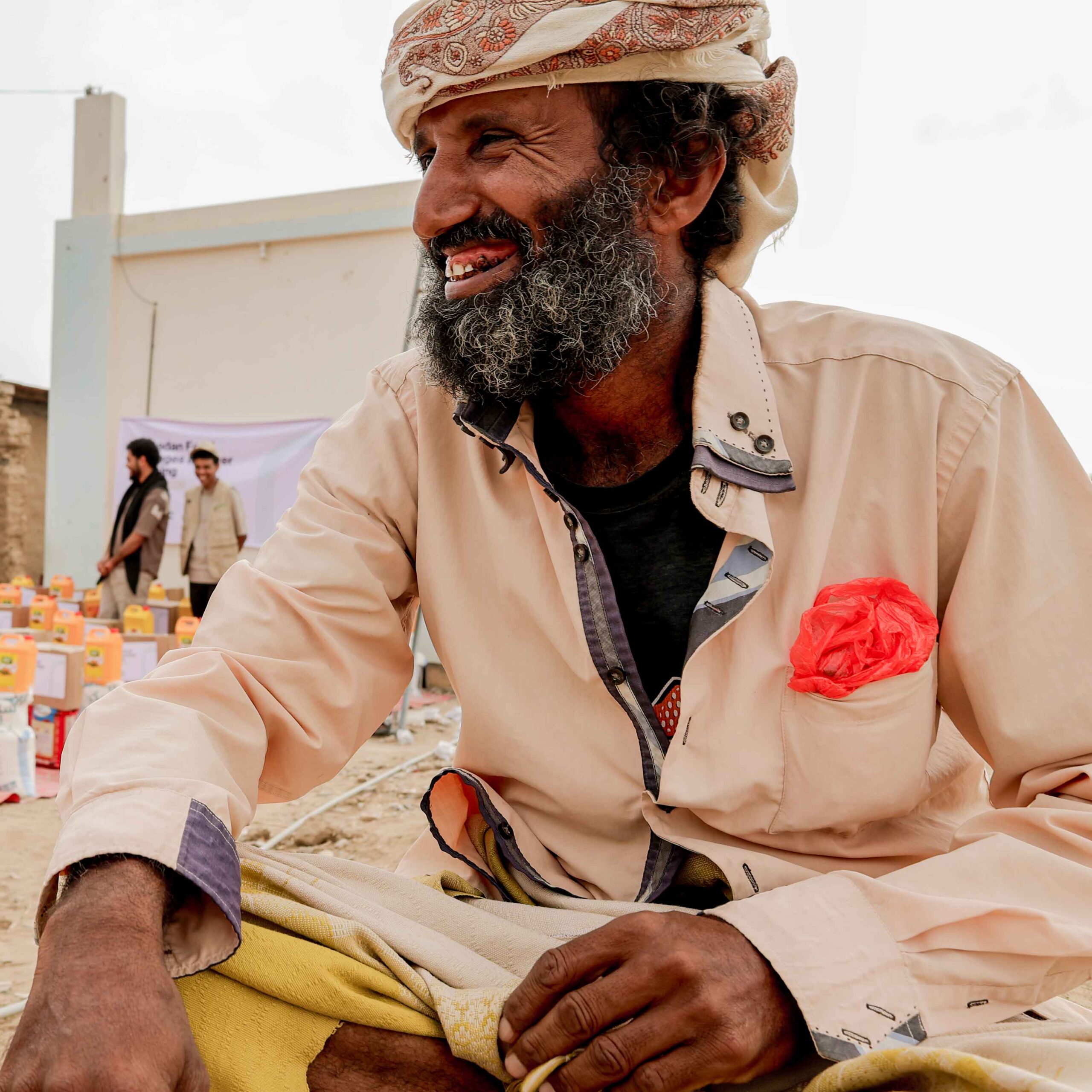
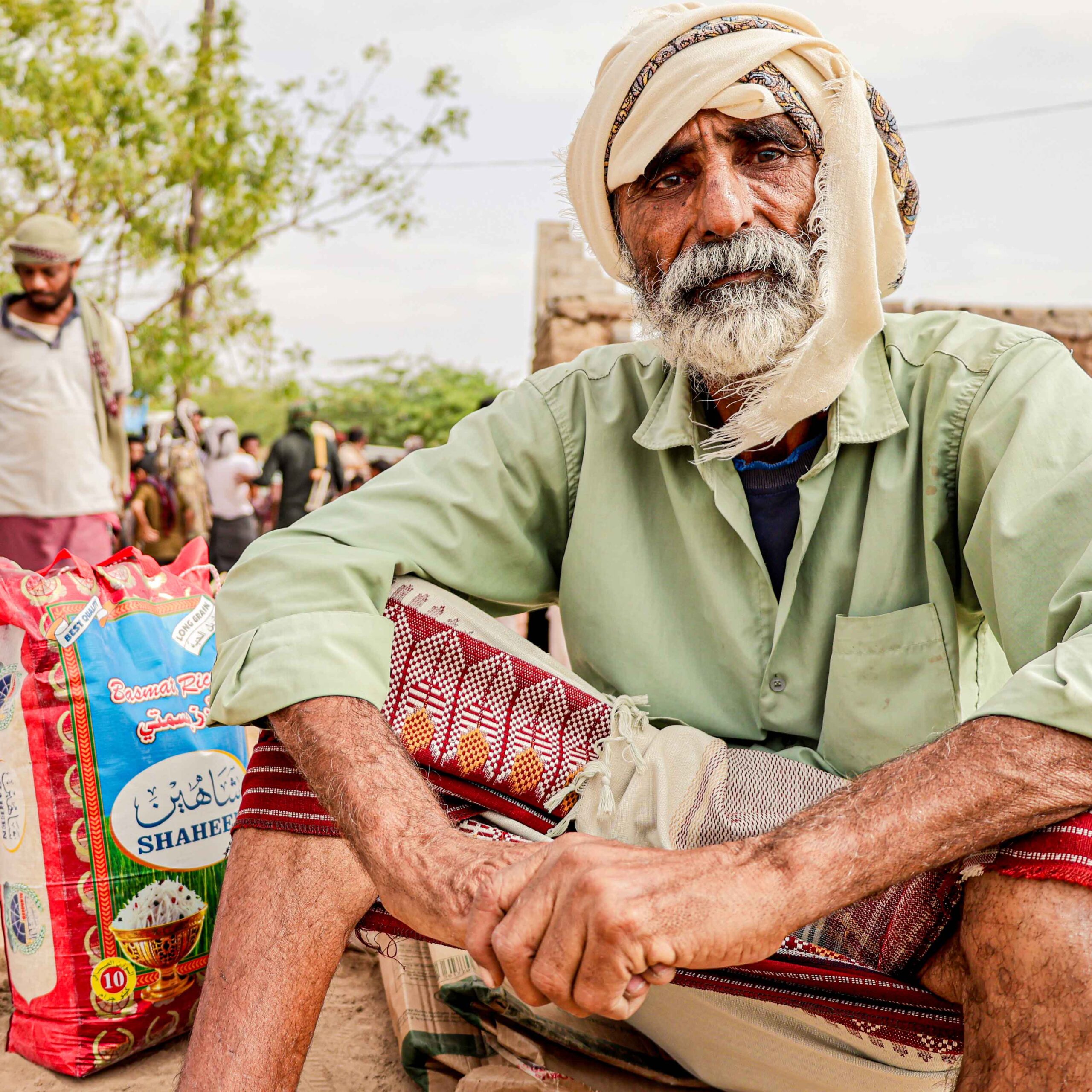
An elderly man with a weathered face and a neutral expression sits outdoors beside a colorful bag labeled "Shaheer." He wears a light green shirt and a beige turban.

Quand une crise
se multiplie

Insécurité alimentaire

Yemen is facing catastrophic levels of food insecurity, with over 18 million people requiring immediate humanitarian assistance. The ongoing conflict has disrupted agricultural production and supply chains, leading to soaring food prices.

Eau et assainissement

La destruction des infrastructures hydrauliques a forcé les communautés à dépendre de sources d’eau contaminées, provoquant de fréquentes épidémies de maladies hydriques. L'absence d'installations sanitaires dans les camps exacerbe les risques de maladies pour les familles déplacées, particulièrement pour les enfants.

Effondrement du système de santé

Les hôpitaux au Yémen fonctionnent sous extrême surcharge. La propagation de maladies évitables telles que le choléra, la dengue et la rougeole aggrave les souffrances de la population. La vulnérabilité des femmes enceintes, des nourrissons et des personnes atteintes de maladies chroniques s'accentue également par le manque d'établissements de santé.

La réponse de l'IDRF
au Yémen

01

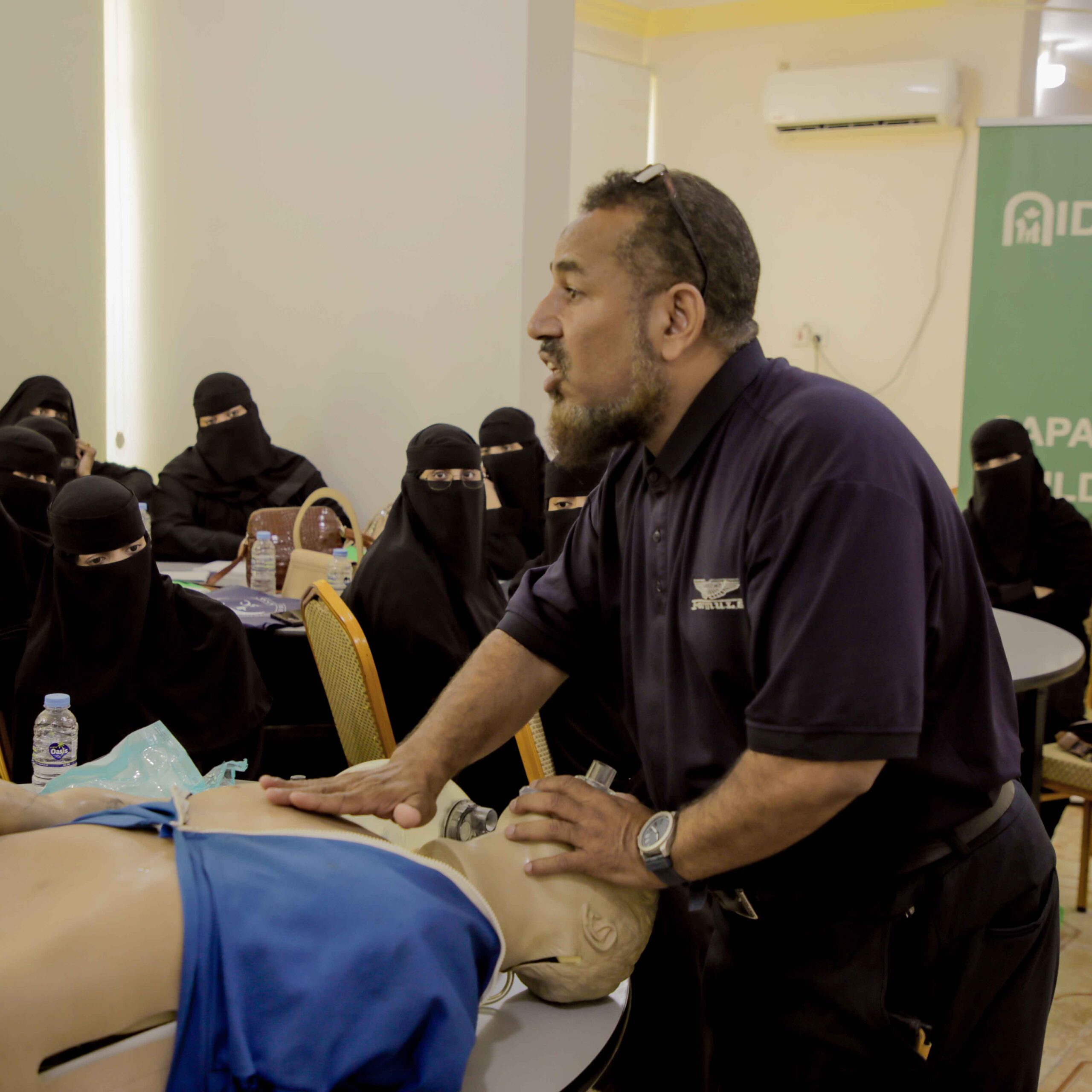
Formation en thérapie respiratoire

To strengthen healthcare services in Mukalla City, Hadramout Governorate, we’re implementing a 6-month Respiratory Therapy training program for 100 nurses, equipping them with the skills needed to deliver specialized, life-saving respiratory care.

Instructor demonstrating CPR on a mannequin to a group of women wearing niqabs in a classroom setting. The mood is focused and educational.

02

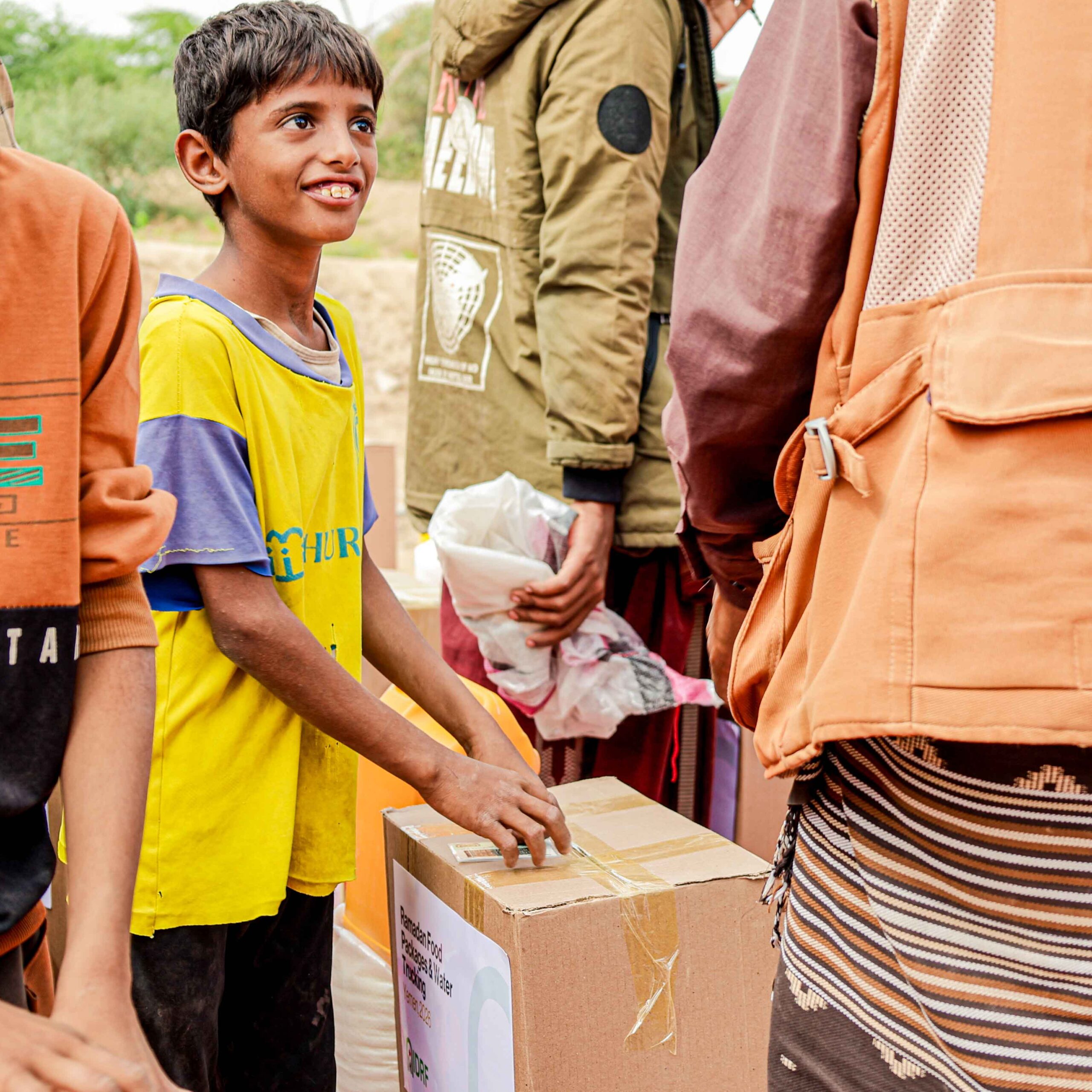
Intervention alimentaire d'urgence

To address rising food insecurity in Aden, Lahj, Abyan, Shabwah, and Al Mukalla in Hadramawt, we’re delivering immediate food assistance to vulnerable families, helping stabilize nutrition and prevent further deterioration among internally displaced persons, women-headed households, young children, pregnant and lactating women, and the elderly.

A group of children excitedly gathered around an open box, sharing smiles and looking at what's inside.

03

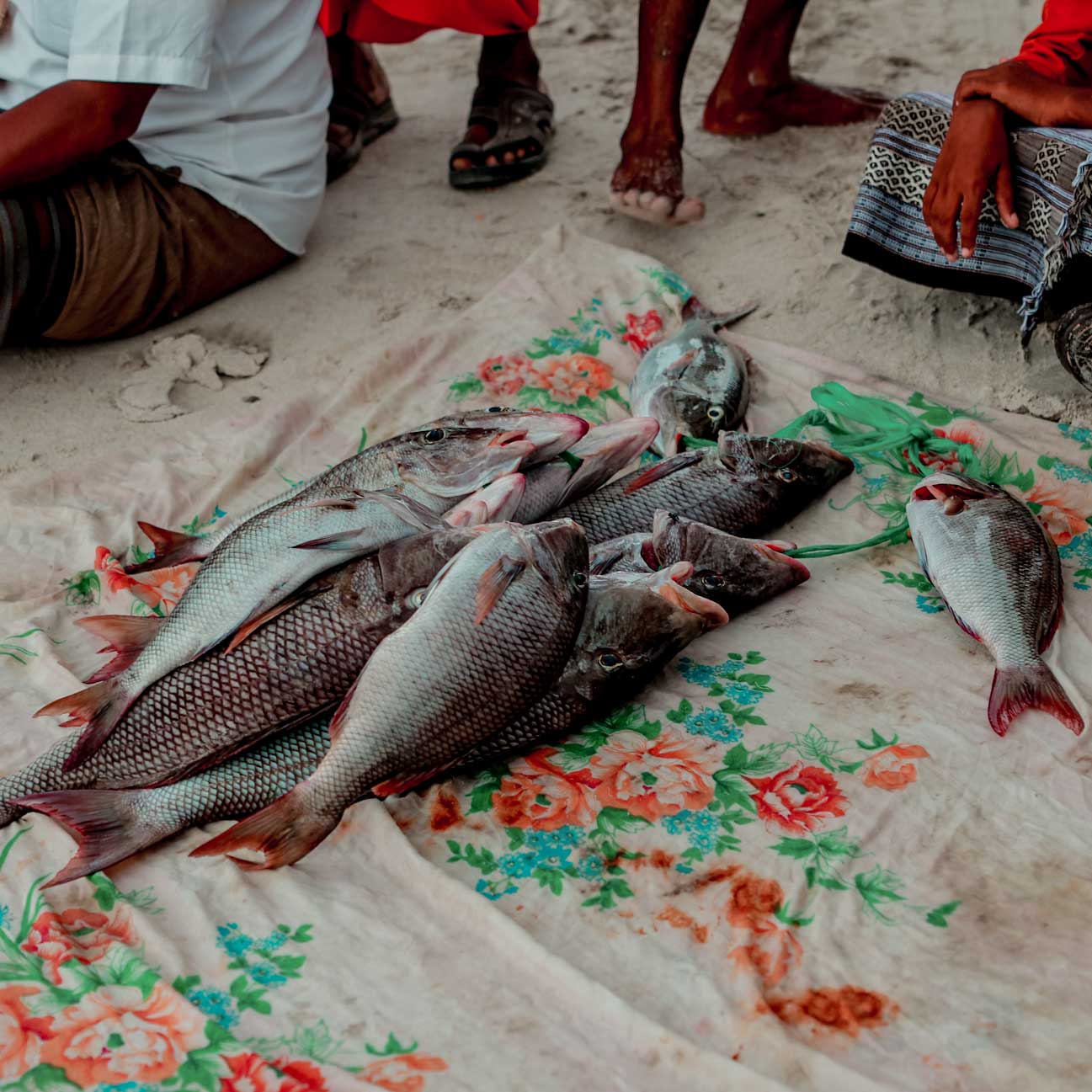
Développement des compétences pour les pêcheurs

To strengthen the livelihoods of local fishing communities, we’re providing hands-on training in modern, sustainable fishing practices and equipping fishermen with fuel-efficient boats, engines, and advanced navigation tools to improve safety, productivity, and long-term economic stability.
Several freshly caught fish are displayed on a floral-patterned cloth laid on sandy ground, with people sitting or kneeling nearby.