As we approach the holy month of Ramadan, we are reminded of our sacred duty to fulfill one of the Five Pillars of Islam: Zakat. This obligation is a powerful act of charity, rooted in the principles of compassion and justice, that requires us to donate a portion of our wealth to those in need. It is a means of purifying our souls and drawing closer to Allah SWT. By the end of this article, you will have a thorough understanding of everything you need to know about Zakat obligation, including what it is, who benefits from it, and how to fulfill this important religious duty.
Qu'est-ce que la zakat ?
Zakat is an Arabic term that means “purification” or “cleansing”, and it is a means of purifying our wealth and purging ourselves from greed and selfishness. By donating a portion of our wealth, we fulfill our duty of serving those in need and helping build communities that are stronger, more resilient, and more just.
Who Receives Zakat?
Puisque la zakat n'est pas une forme de sadaqah (charité volontaire et générale), la distribution de la zakat est destinée aux catégories de personnes identifiées et admissible à recevoir la zakat dans le Coran [At-Tawba] 9:60 :
Les aumônes ne sont destinées que pour les pauvres, les nécessiteux, à ceux qui les administrent, à ceux dont les cœurs sont à gagner, à ceux qui sont en servitude, pour aider ceux qui sont endettés, pour la cause de Dieu et pour les voyageurs dans le besoin. Cela est ordonné par Dieu ; Dieu est Omniscient et Sage.
De ce verset, huit catégories de personnes admissibles sont clairement précisées.
- Les pauvres sont les personnes ou les ménages qui manquent de ressources financières suffisantes et qui peinent à satisfaire leurs besoins fondamentaux et ne satisfont pas au seuil du nisab.
- Les nécessiteux – are those amongst us in extreme poverty who do not possess significant material wealth, the destitute.
- Ceux qui administrent la zakat sont les personnes ou les organismes responsables de la collecte et de la distribution de la zakat, dans un montant équitable par rapport à leur travail.
- Ceux dont les cœurs peuvent être gagnés comprend les personnes qui n'ont peut-être pas entendu parler de l'islam ou qui peuvent avoir une compréhension négative de l'islam et des musulmans, ainsi que ceux impliqués dans les relations publiques, le travail interconfessionnel et intercommunautaire, l'enseignement de l'islam aux autres, et ceux qui sont peut-être devenus musulmans mais éprouvent des difficultés à pratiquer leur foi.
- Ceux qui sont en servitude sont des personnes qui peuvent recevoir une nouvelle chance, être libérées ou soutenues bien qu'en captivité, en incarcération ou en détention.
- Les endettés – one whose debts exceed their assets and net assets (after deducting his liabilities) is below the Nisab limit.
- Pour la cause de Dieu désigne ceux qui s'engagent dans des actions militaires et défensives sanctionnées par l'islam, la personne en pèlerinage et, dans certains cas, les étudiants en sciences islamiques.
- Les voyageurs dans le besoin les personnes qui sont temporairement loin de leur domicile permanent en voyage et qui sont coupées de leurs ressources financières ont droit à la nourriture, à un refuge et à d'autres nécessités.
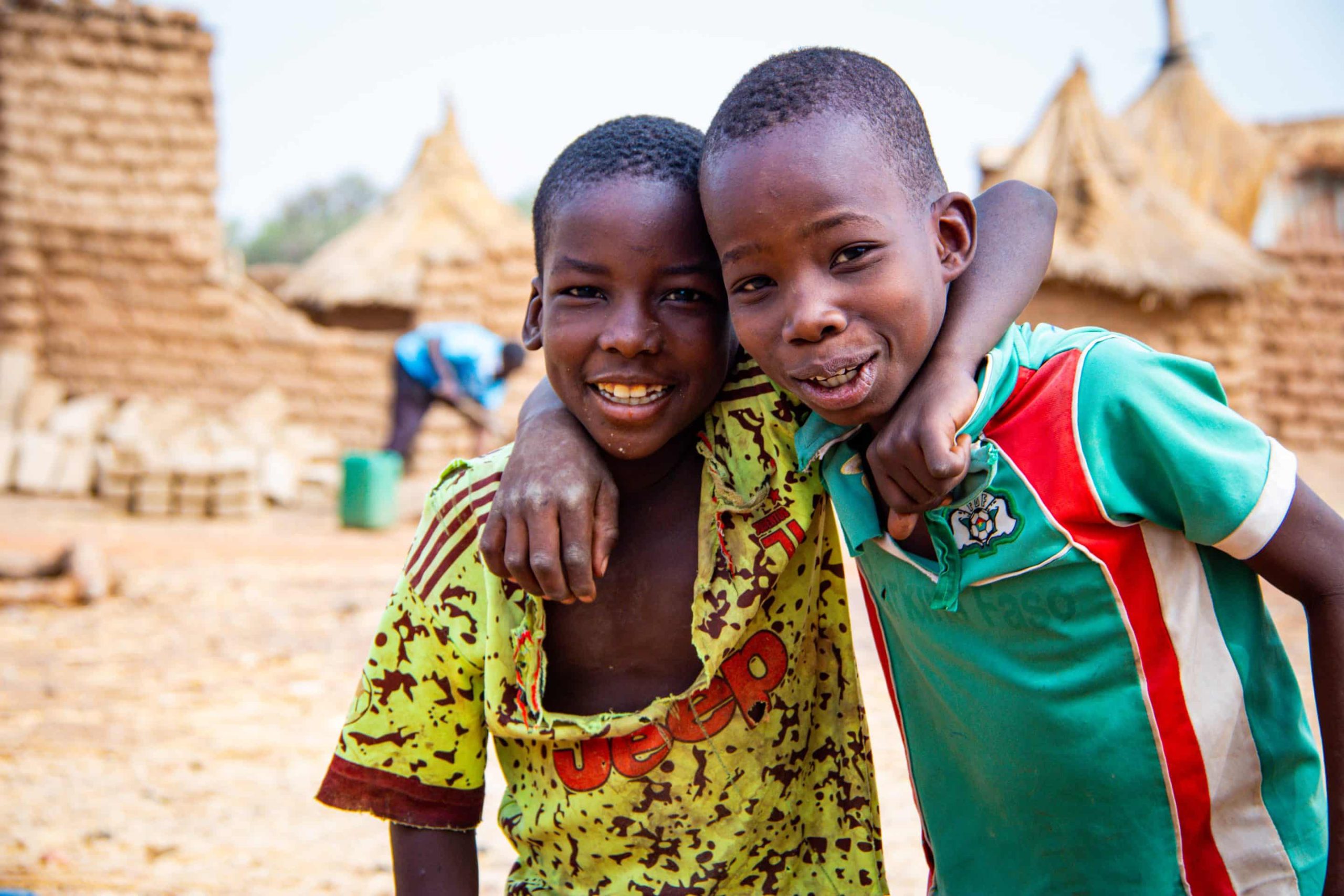
During the holy month of Ramadan, Muslims are reminded of their obligation to give back to society and to pay
Chez IDRF, nous prenons très au sérieux la responsabilité qui nous incombe dans la gestion de la zakat. L'objectif d'IDRF est de fournir aux Canadiens un moyen fiable, transparent et digne de confiance pour s'acquitter de leurs obligations de zakat. IDRF veille à ce que les fonds de zakat soient utilisés conformément à leurs exigences religieuses.
At the heart of IDRF’s zakat policy is ensuring the dignity and well-being of the recipients we serve. Within the context of IDRF’s humanitarian work and related projects, IDRF views zakat as the wealth of the poor and endeavours to give recipients maximum autonomy while ensuring proper oversight & CRA compliance
Zakat al-Fitr, a mandatory donation that must be made before the celebration of Eid al-Fitr. This sacred act requires Muslims who have excess food to offer a small handful of it to those who are in need. This donation is typically the cost of a single meal, but it can significantly impact the lives of those who receive it.
Ibn `Abbas (may Allah be pleased with him) reported:
“The Messenger of Allah (peace be upon him) ordained zakatul-fitr to purify the fasting person from indecent words or actions and to provide food for the needy. It is accepted as zakah for the person who gives it before the Eid prayer, but it is a mere Sadaqah for the one who gives it after the prayer.” [Abu Dawud and Ibn Majah].
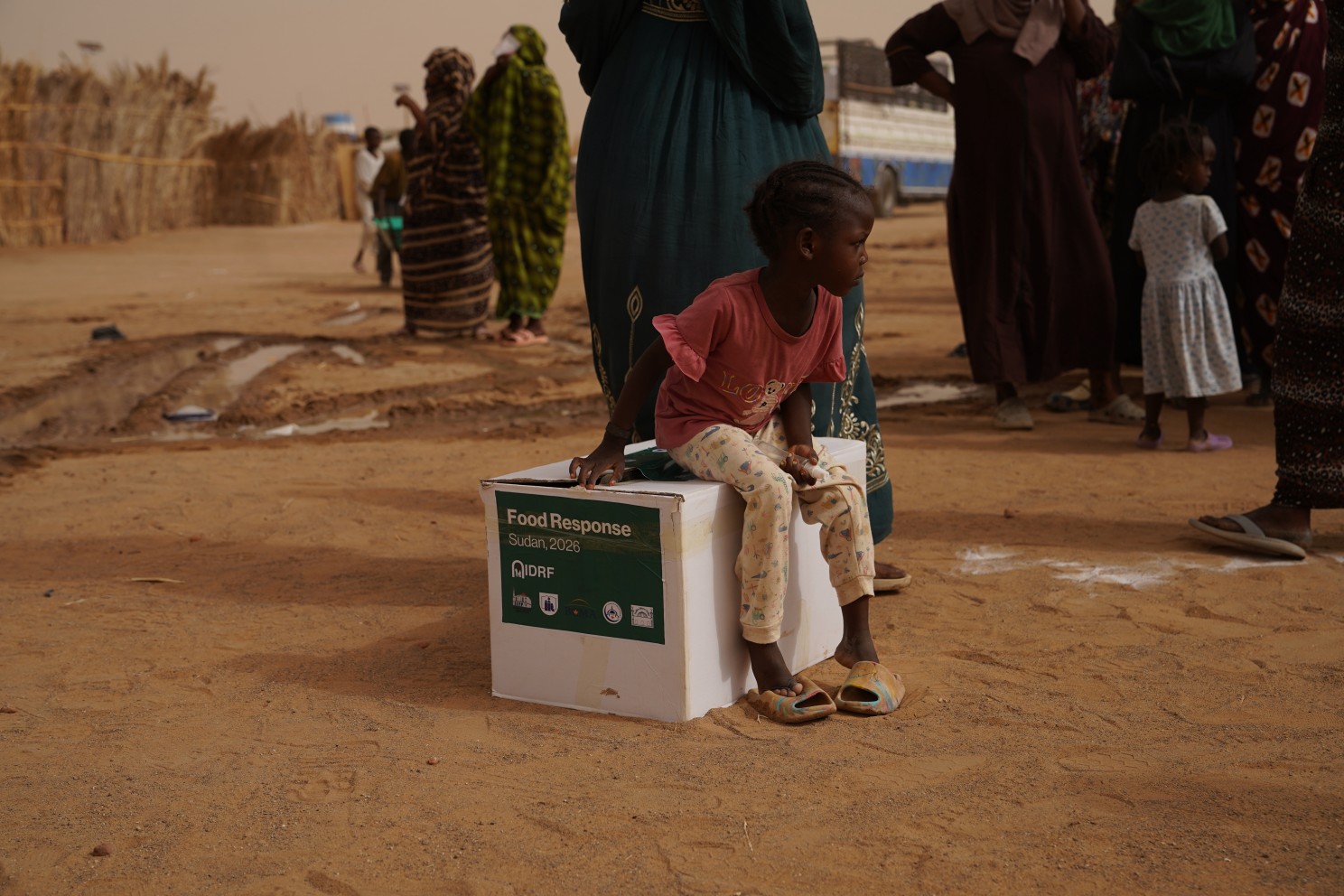
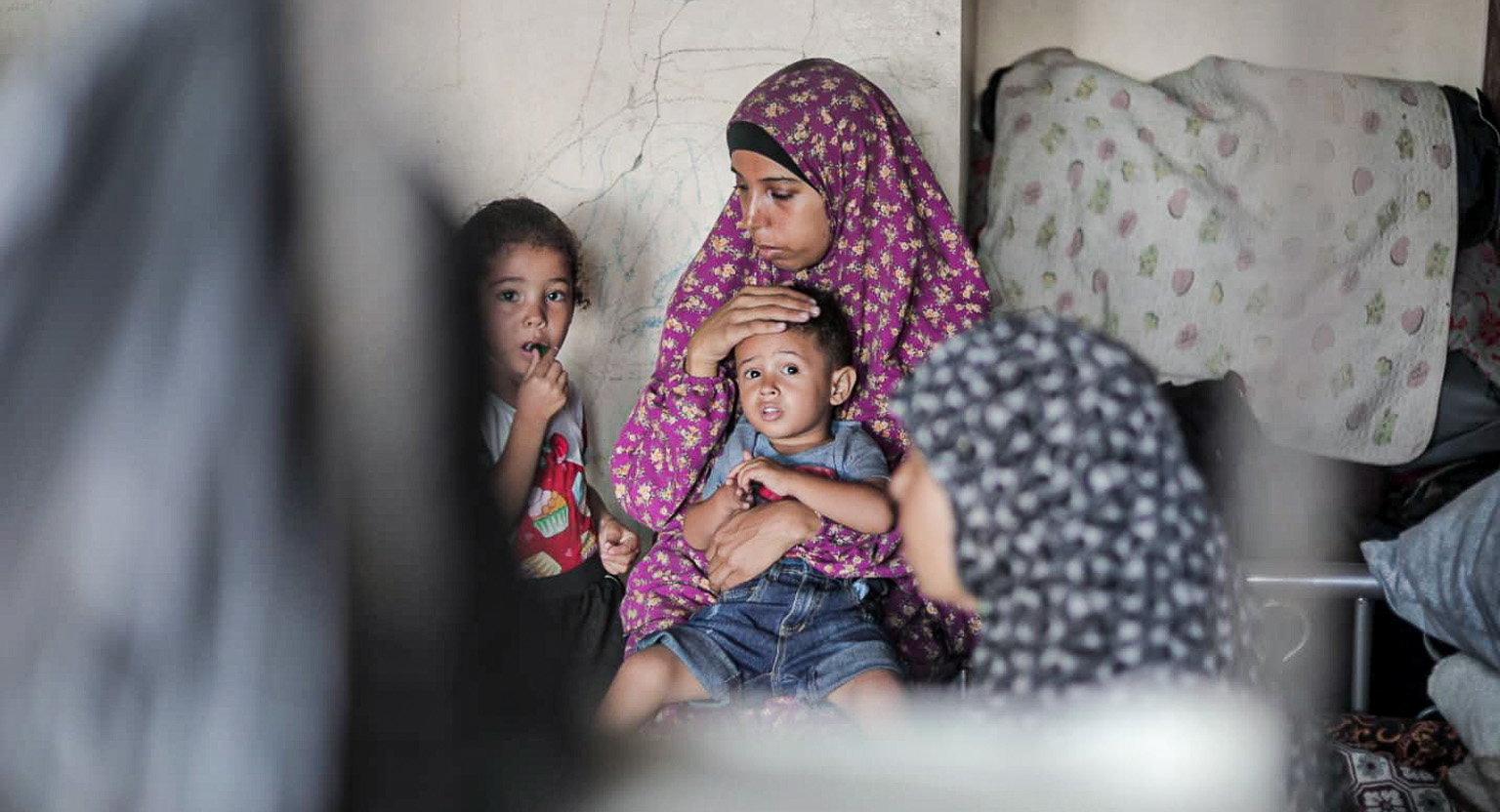
By fulfilling our Zakat obligation, we are able to help those who are struggling to make ends meet and bring hope and dignity to vulnerable communities across the world.
The Benefits of Paying Zakat
Paying Zakat is not only a religious obligation, but it also has numerous benefits for both the individual and the community. Some of these benefits include:
- Purification of the soul: Paying Zakat is a means of purifying one’s soul and drawing closer to Allah SWT. It helps individuals to overcome greed and selfishness and to develop a greater sense of empathy and compassion toward those in need.
- Promoting social and economic justice: Zakat is a way of promoting social and economic justice by redistributing wealth from those who have excess to those who are in need. It helps to reduce poverty and inequality within the community.
- Building stronger communities: Paying Zakat helps to build stronger communities by promoting a sense of responsibility and shared values. It encourages individuals to work together to support those in need and to promote the common good.
How to Pay Zakat?
Zakat is calculated based on one’s annual income and assets. The minimum amount for those who qualify is 2.5% or 1/40 of a Muslim’s total savings and wealth. To begin calculating our Zakat obligation, one needs to assess their wealth and savings. This includes cash, gold, silver, property, stocks, and any other valuable assets. Once an individual has assessed their wealth and savings, they need to determine the Nisab, which is the minimum amount of wealth a Muslim must have before they are eligible to pay their Zakat obligation.
The Nisab is the value of 87.48 grams of gold or 612.36 grams of silver. Once the Nisab has been determined, the individual needs to calculate the Zakat payable on their wealth and savings. Calculating our contribution may seem like a daunting task but IDRF has made it easy for you to calculate with our calculateur de zakat. Simply enter your total savings and assets, and our calculator will determine the amount of Zakat you owe.
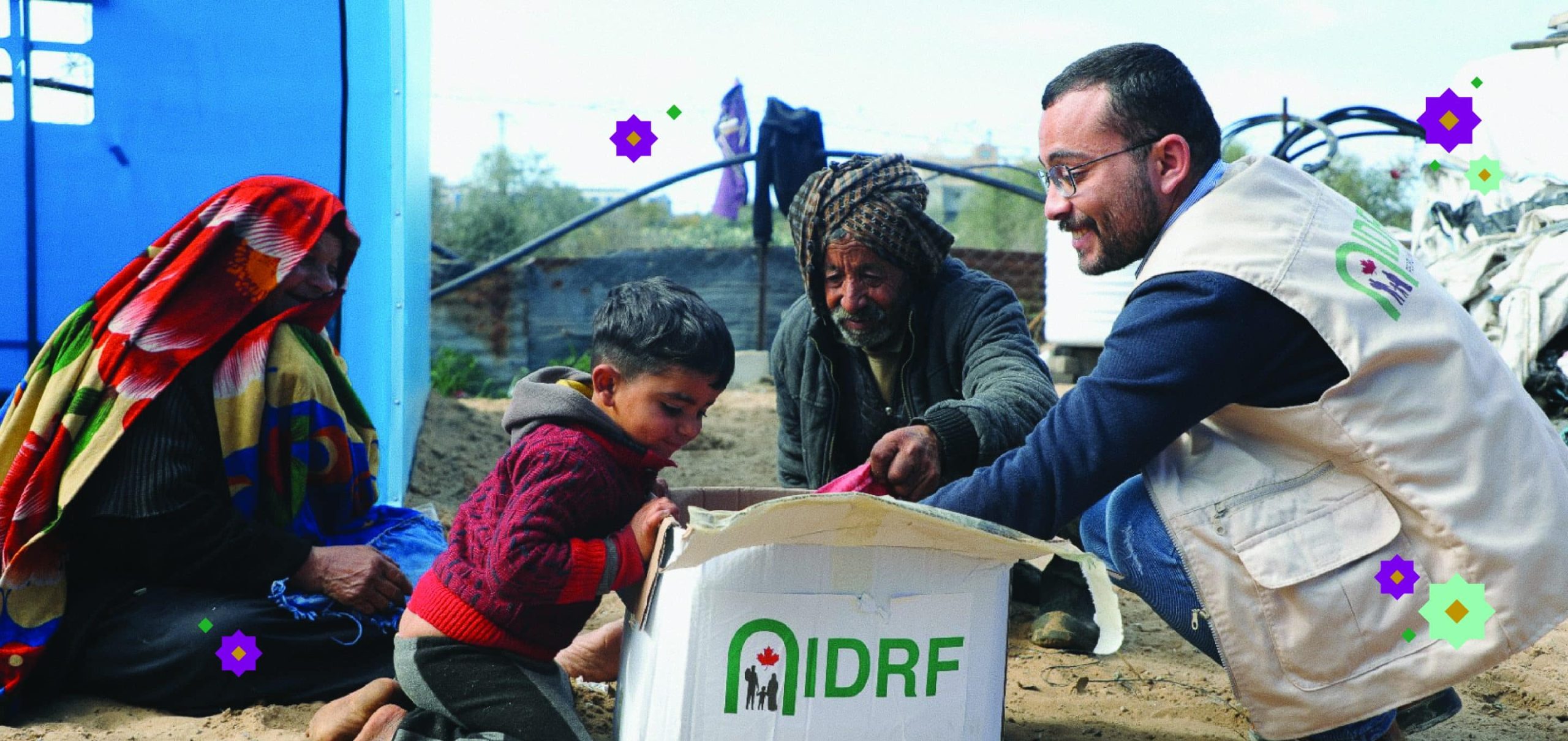
It is important to fulfill our Zakat obligation on time and with sincerity, as it is an act of worship that brings us closer to Allah SWT. One of the easiest and most effective ways to pay is by donating to charities such as IDRF. We provide vital assistance to people in need around the world. By fulfilling your Zakat obligation with IDRF, you can help build communities, and provide much-needed support and service to individuals living in poverty, individuals living in debt, orphans, and individuals stranded during travel.
How IDRF Handles your Zakat
Chez IDRF, nous prenons très au sérieux la responsabilité qui nous incombe dans la gestion de la zakat. L'objectif d'IDRF est de fournir aux Canadiens un moyen fiable, transparent et digne de confiance pour s'acquitter de leurs obligations de zakat. IDRF veille à ce que les fonds de zakat soient utilisés conformément à leurs exigences religieuses.
At the heart of IDRF’s zakat policy is ensuring the dignity and well-being of the recipients we serve. Within the context of IDRF’s humanitarian work and related projects, IDRF views zakat as the wealth of the poor and endeavours to give recipients maximum autonomy while ensuring proper oversight & CRA compliance
For full details on how IDRF handles your Zakat donations, visit our full Politique de la zakat.
We encourage you to fulfill this religious duty with sincerity and compassion and to donate to our projects all around the world. Your La zakat with IDRF is not just a donation, it’s a transformative act that can bring hope and dignity to vulnerable communities around the world. With your generous contribution, you have the power to change a life, uplift a family, and make a positive difference in the world.
Donate with IDRF today and help make a lasting impact. May Allah SWT bless our efforts and may He accept our Zakat with sincerity and grace, Ameen.